May 25, 2026
Content
The choice between sectional cold water storage tanks and welded water tanks comes down to access, volume, and long-term flexibility. Sectional tanks are assembled on-site from factory-manufactured panels, making them the default solution wherever a finished tank cannot physically enter the installation space. Welded tanks are fabricated as a single integral vessel — either in a workshop or in the field — and deliver superior structural continuity and easier leak management over their service life. Both constructions are proven and widely deployed; the decision is driven by site constraints, regulatory requirements, and total lifecycle cost rather than any inherent technical superiority of one over the other.
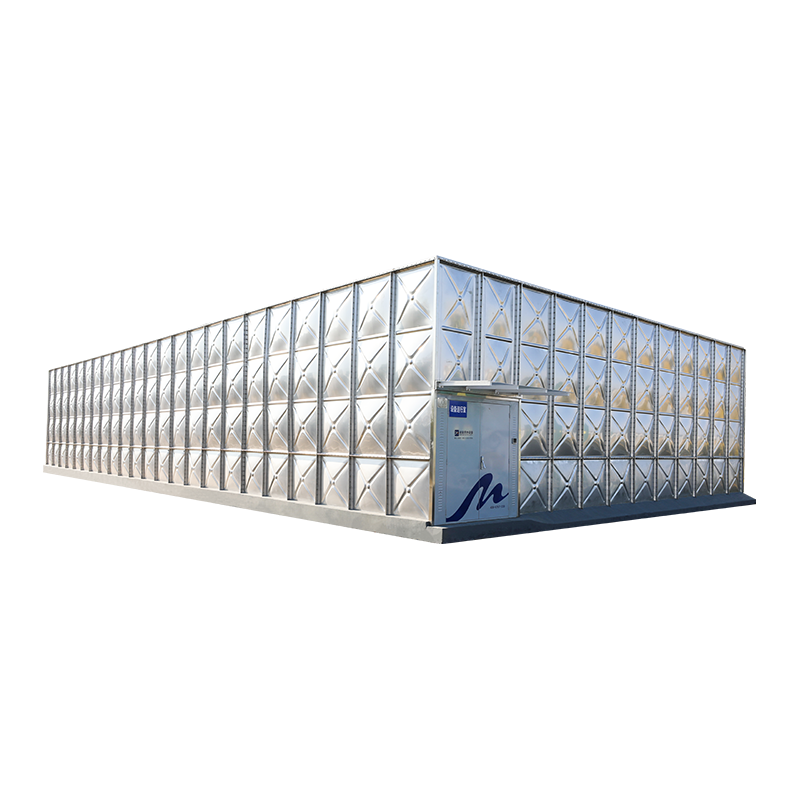
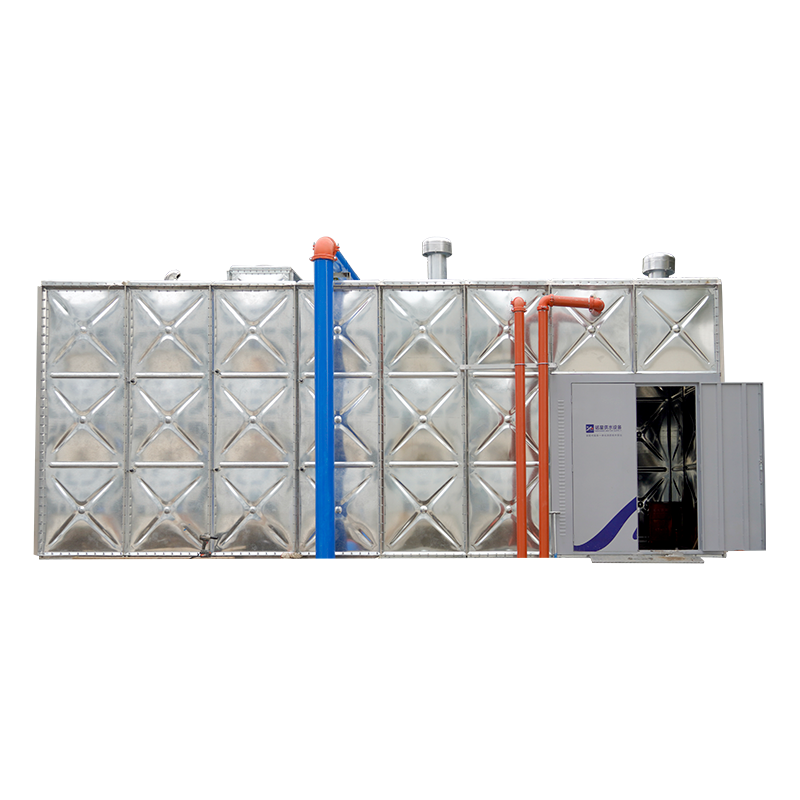
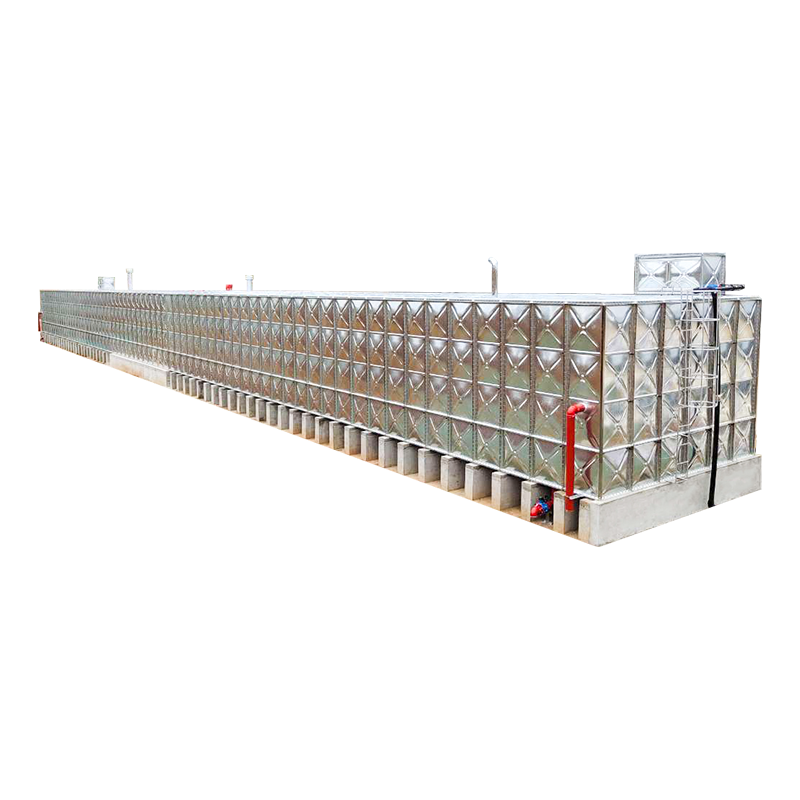
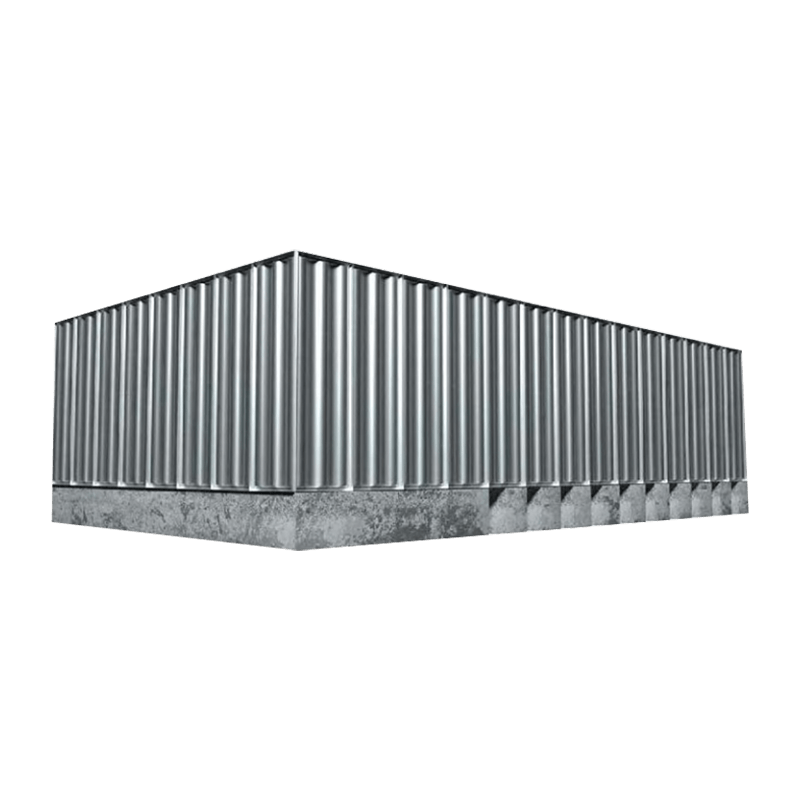
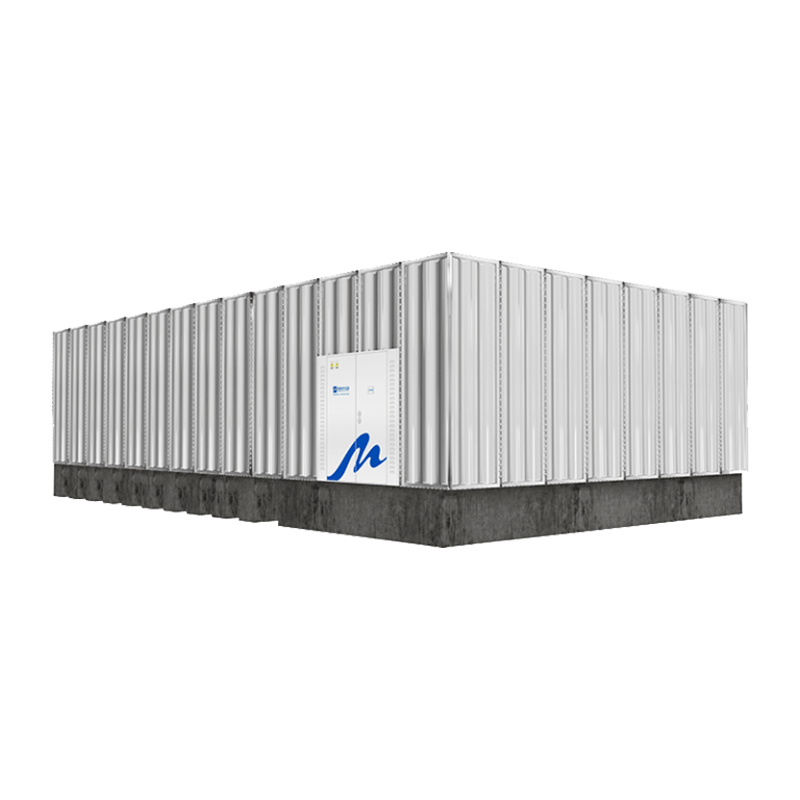
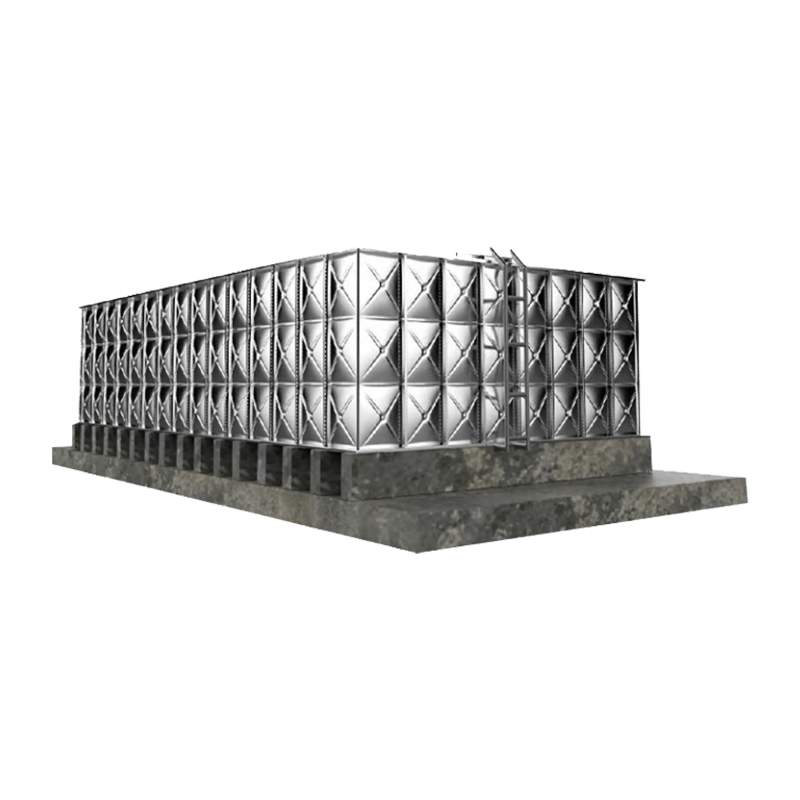
Sectional cold water storage tanks are modular storage systems assembled from flat or pre-formed panels, typically manufactured from GRP (glass-reinforced plastic / fiberglass), food-grade polyethylene, or hot-dip galvanized steel. The panels are bolted together on-site, with elastomeric gaskets creating a watertight seal at every joint. Standard panel sizes — most commonly 1 m × 1 m or 0.5 m × 0.5 m — allow the tank to be carried through standard doorways, stairwells, and plant room openings, then assembled in the final location.
The panel material selection determines the tank's expected service life, maintenance requirements, and suitability for potable water contact:
Sectional cold water storage tanks can be configured from as little as 500 liters up to several million liters by extending the panel grid. In practice, volumes between 1,000 liters and 500,000 liters represent the most common range for building services, fire suppression, and light industrial applications. Multiple tanks can be interconnected to increase total storage without requiring structural modifications to the plant room.
The modular design also enables future expansion: additional panel bays can be added laterally or — with appropriate structural support — stacked vertically. This scalability is a significant operational advantage in facilities where water demand is expected to grow over the building's service life.
In the United Kingdom and Europe, GRP sectional tanks for cold potable water storage must comply with BS EN 13280:2001, which specifies material quality, panel strength, deflection limits, and the requirement for a secure, insect-proof cover. Tanks installed in potable water systems must additionally carry WRAS (Water Regulations Advisory Scheme) approval in the UK, or meet the equivalent national drinking water contact material certification in other jurisdictions. The Legionella risk management obligations under L8 (the UK Approved Code of Practice) also require sectional cold water storage tanks to be inspectable, cleanable, and fitted with covers that prevent light ingress — all of which are addressed in compliant GRP tank designs.
A welded water tank is fabricated as a single continuous vessel, with all structural joints formed by fusion welding rather than mechanical fastening. This construction eliminates the gasket-sealed panel joints that are the primary maintenance focus and potential failure mode in sectional tanks. Welded tanks are available in mild steel (with internal lining or coating), stainless steel, and — for above-ground atmospheric applications — glass-fused-to-steel (also called enamelled steel or porcelain-enamel steel).
Welded water tanks are manufactured through two distinct routes, each with different quality control implications:
Bare mild steel corrodes rapidly in contact with water, so welded mild steel water tanks rely on internal lining systems to prevent corrosion and protect water quality. Common lining technologies include:
Welded water tanks are specified in preference to sectional tanks in several scenarios:
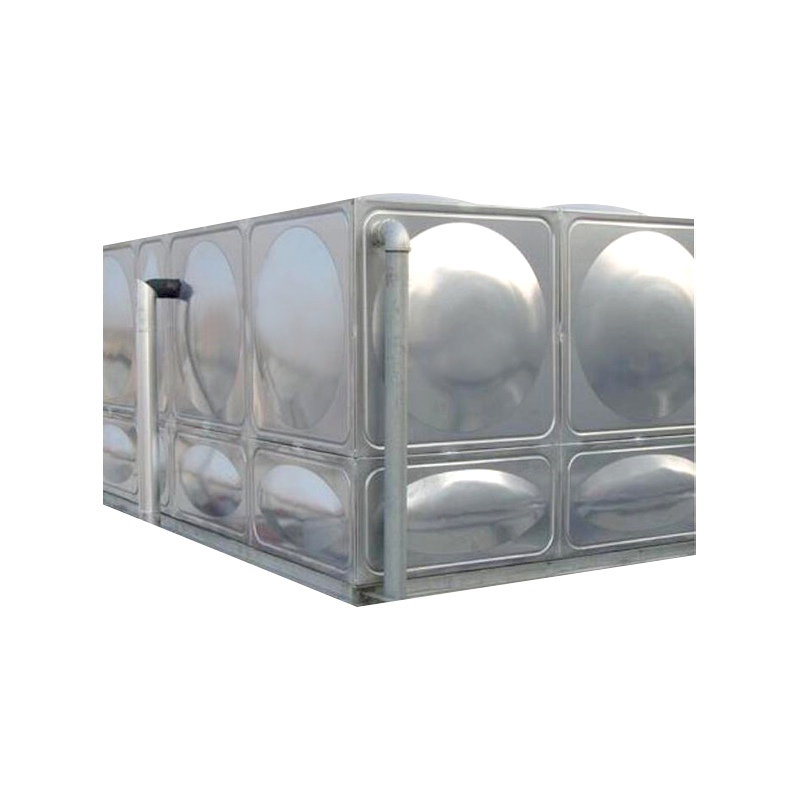
The table below summarizes the primary differentiating factors across the most relevant procurement and operational criteria:
| Factor | Sectional Cold Water Storage Tanks | Welded Water Tanks |
|---|---|---|
| Installation access | Panels pass through standard doorways; assembled in final location | Must fit into space as complete unit, or be site-welded in position |
| Typical capacity range | 500 L to 500,000+ L | 200 L to millions of liters |
| Primary maintenance focus | Panel joint gaskets (inspect every 1–2 years) | Internal lining / coating condition |
| Expandability | Additional panels can be added later | Fixed volume; replacement required for increase |
| Buried / underground use | Generally not suitable | Suitable with appropriate structural design |
| Pressure rating | Atmospheric only | Atmospheric to high-pressure (code-dependent) |
| Potable water compliance | WRAS-approved GRP; BS EN 13280 | NSF/ANSI 61, WRAS-approved linings, glass-fused-to-steel |
| Relative initial cost (mid-range volumes) | Lower | Higher |
Cold water storage tank design has a direct bearing on Legionella risk, because Legionella pneumophila proliferates most rapidly in water held between 20°C and 45°C and in systems with stagnant zones, sediment accumulation, or biofilm-supporting surfaces. Both sectional and welded tanks must address these risks, but their structural characteristics create different compliance management priorities.
For sectional cold water storage tanks, the key Legionella control points are: maintaining stored water below 20°C (which in the UK typically requires the tank to be located internally and insulated), ensuring full tank turnover to prevent stagnation (a minimum daily throughput of 20–25% of tank volume is a common guideline), and inspecting the bolted joint areas and internal surfaces for sediment and biofilm during the mandatory annual inspection required under L8.
For welded water tanks, the absence of bolted panel joints removes one potential harbor point, but the internal lining or coating must be maintained in full integrity — disbonded coating creates cavities ideal for biofilm development that are difficult to detect visually. Stainless steel welded tanks with electropolished interiors present the lowest biofilm risk of any construction type, though the cost premium is significant. All cold water storage tanks — regardless of construction — must be fitted with covers, screened overflow and warning pipes, and designed to minimize dead legs in the connected pipework.
Whether the application calls for sectional cold water storage tanks or a welded water tank, a complete specification requires the same core dataset. Incomplete specifications at the inquiry stage are the single most common cause of re-quoting delays and post-order change orders.
The following information should be confirmed before approaching suppliers:
Providing this information upfront allows tank manufacturers and specialist contractors to deliver accurate budgetary and firm quotations without iterative clarification rounds — a process that on complex projects can otherwise add three to six weeks to the procurement timeline.
Related Products

Contact us
Headquater Address
Room 901, Building 17, Lane 1088, Shen Hong Road, Minhang District, Shanghai
Factory Address
No. 1, Mingxing North Road, Tech Innovation Park, Jianhu County, Yancheng, Jiangsu, P. R. China
Amy@mxwatersupply.com
Amy@mxwatersupply.com
Telephone(Whatsapp/Wechat)
+86-18051685983
QR CODE

 English
 Français