May 08, 2026
Content
Water tanks are used across residential, commercial, and industrial settings to store potable water, process water, rainwater, fire suppression reserves, and industrial fluids. The right tank type for a given application is determined by capacity requirements, water quality standards, installation constraints, structural loads, and expected service life. No single material or configuration suits every scenario — understanding the options available is the starting point for any tank specification.
The principal categories in current use are:
The sections below focus on the three steel-based categories — stainless steel tanks for home use, industrial steel tanks, and sectional water tanks — which collectively account for the majority of installed water storage capacity in both commercial and heavy industrial applications globally.
A stainless steel water tank for home use is the most specified upgrade from standard plastic cisterns in markets where drinking water quality, longevity, and hygienic storage are priorities. The material's properties address the core limitations of polyethylene tanks: UV degradation, algae growth promoted by light transmission, taste and odor leaching from plastic, and relatively short structural service life.
Domestic stainless steel water tanks are manufactured from either Grade 304 (18/8) or Grade 316 (18/10/2) austenitic stainless steel. Grade 304 is standard for most potable water applications — its chromium-nickel composition forms a passive oxide layer that resists corrosion in clean water and is fully compliant with food-contact regulations including NSF/ANSI 61 and the European Drinking Water Directive. Grade 316, which adds molybdenum, is specified where the stored water has elevated chloride content (coastal areas, softened water with high salt regeneration) or where the tank is used for food processing or dairy applications.
The internal surface finish matters as much as the alloy grade. A 2B (mill finish) or electropolished interior minimizes surface roughness, reducing sites for biofilm attachment and making periodic cleaning straightforward with standard food-grade sanitizers.
Residential stainless steel water tanks are typically available from 500 liters to 10,000 liters in cylindrical or rectangular configurations. Cylindrical tanks distribute hydrostatic pressure more efficiently for a given wall thickness and are the standard for overhead and rooftop installations. Rectangular tanks are easier to fit into confined plant rooms, basements, or under-stair spaces where floor area is limited.
Key construction details to verify when selecting a domestic tank include:
Service life for a properly installed and maintained stainless steel domestic tank exceeds 25–30 years in most water quality conditions — roughly three to four times the practical service life of a comparable polyethylene tank in the same environment.
An industrial steel tank is a purpose-engineered carbon steel or alloy steel pressure vessel or atmospheric storage tank designed for large-volume storage in manufacturing, utilities, oil and gas, fire protection, and water treatment contexts. Capacities range from a few thousand liters for process buffer tanks to several million liters for municipal water towers and crude oil field storage.
Industrial steel tanks for water storage are designed and fabricated under recognized standards that govern material selection, weld inspection, shell thickness calculation, and testing requirements. The most widely applied frameworks include:
Carbon steel corrodes in contact with water without protective coatings, making the coating system the primary determinant of service life and maintenance interval. Standard coating strategies include:
Industrial steel tanks are the standard storage solution for fire suppression reserves in compliance with NFPA 22 (USA) or BS EN 1825 (Europe), where the structural integrity, defined capacity, and resistance to damage during a fire event must be guaranteed. In process industries, atmospheric steel tanks serve as buffer storage for cooling water, boiler feed water, condensate return, and chemical dosing systems — applications where the volume-to-cost ratio of carbon steel is decisive over the corrosion performance of stainless alternatives.
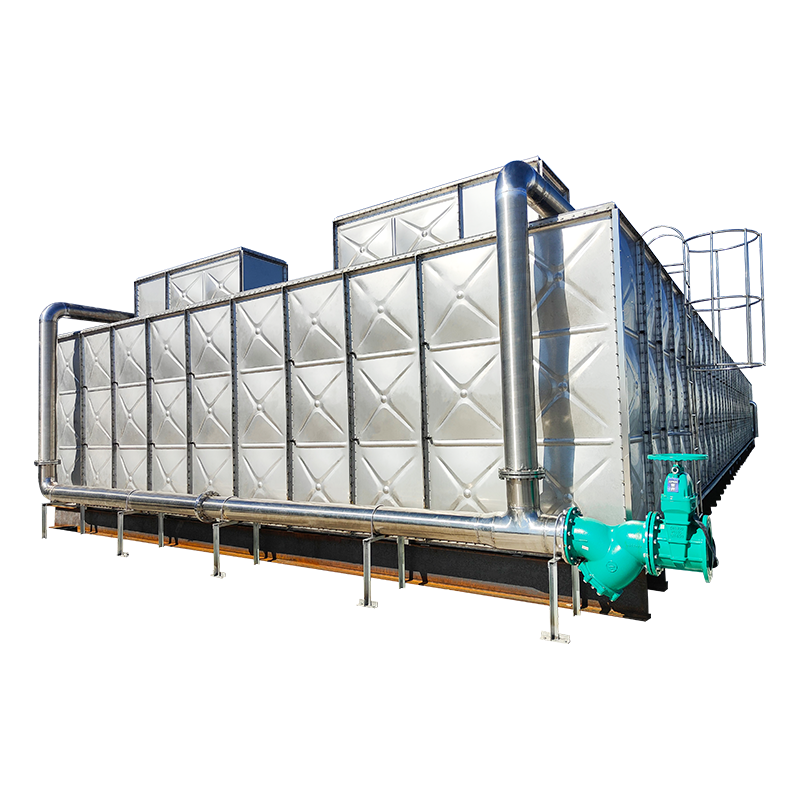
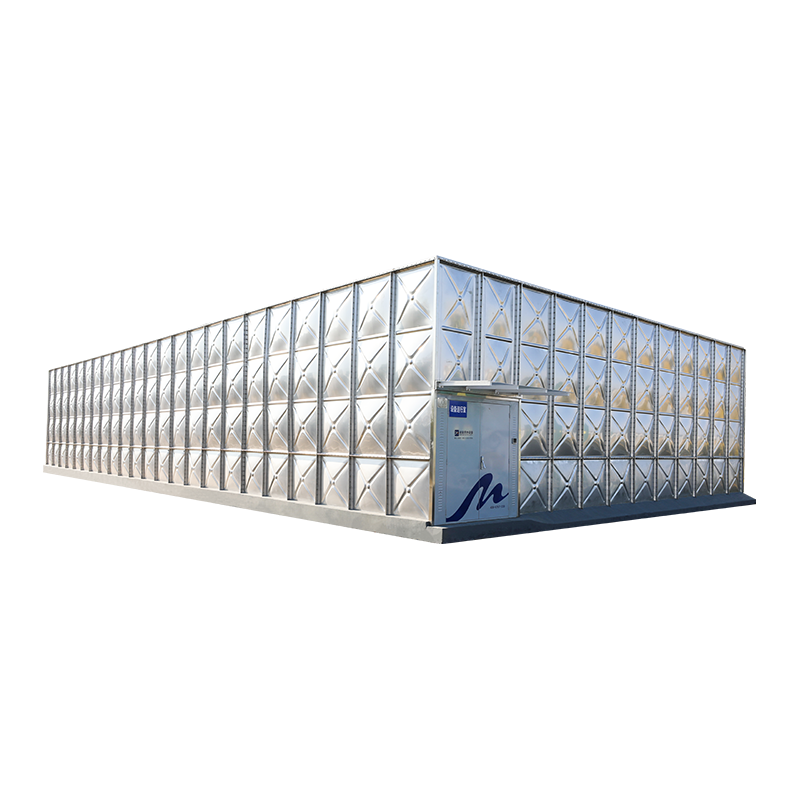
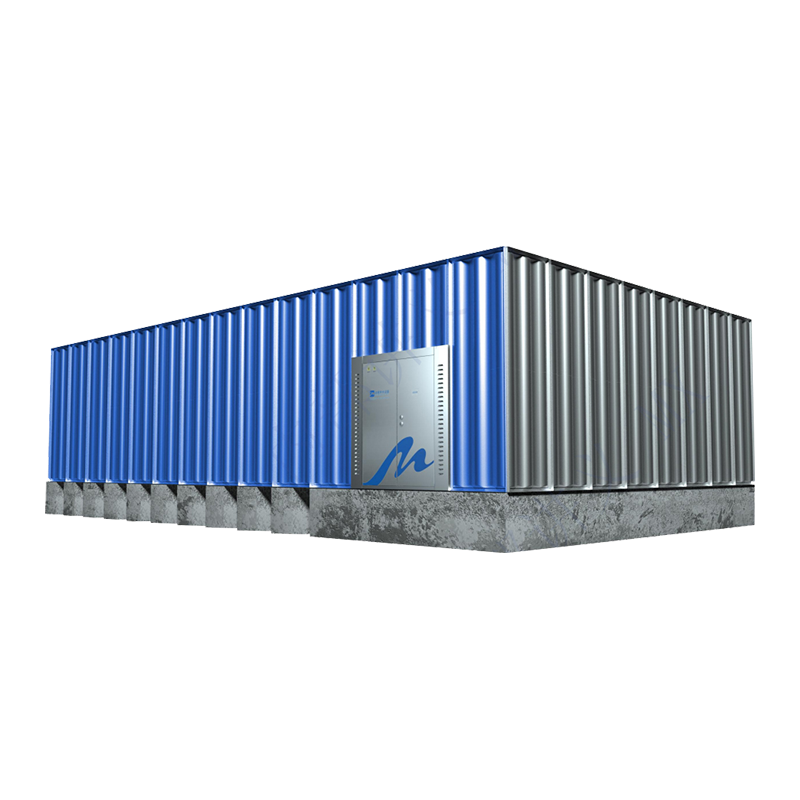
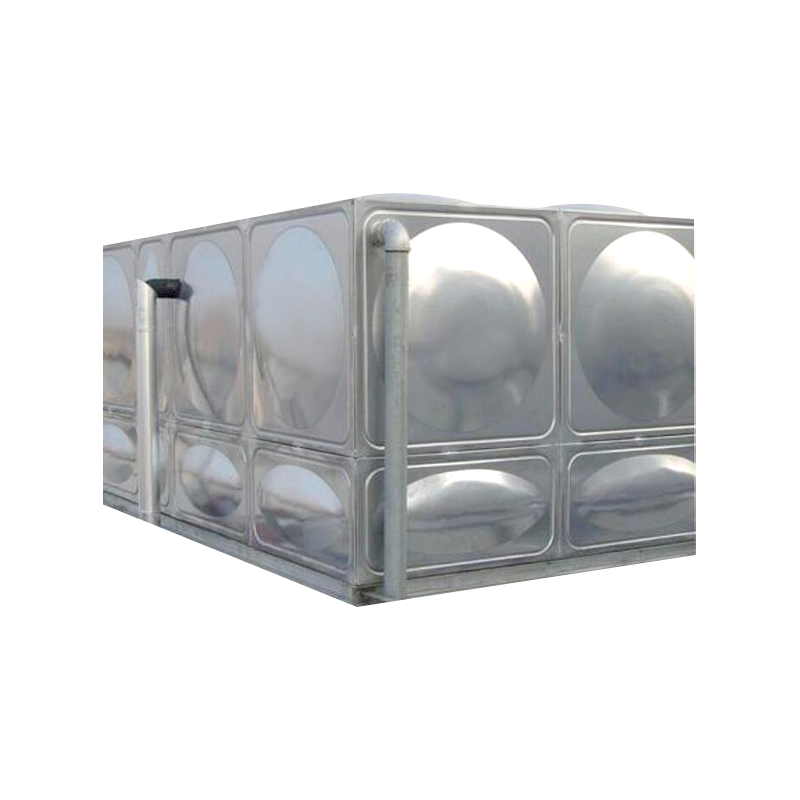
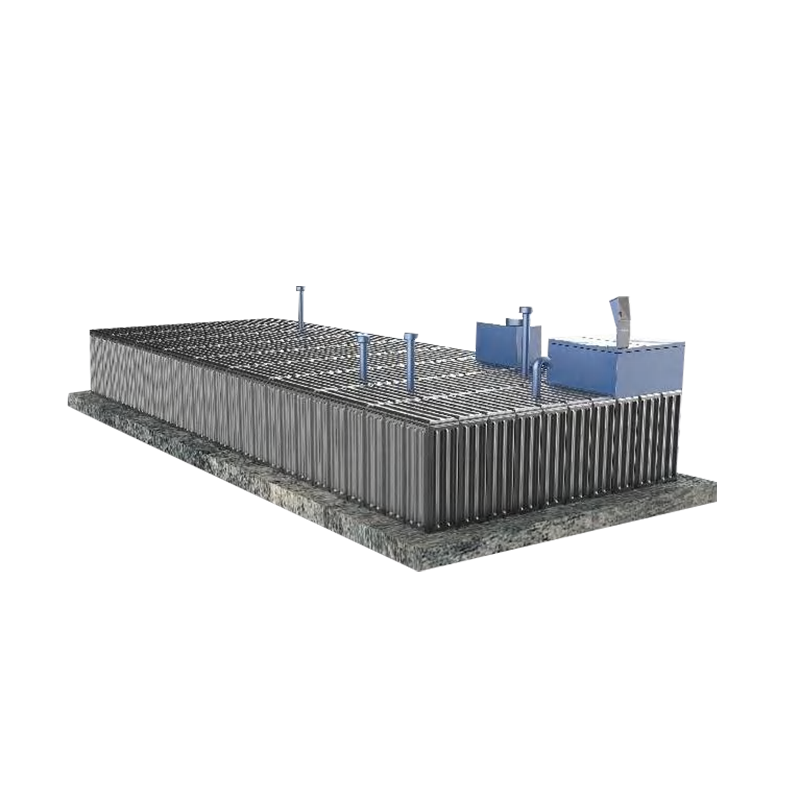
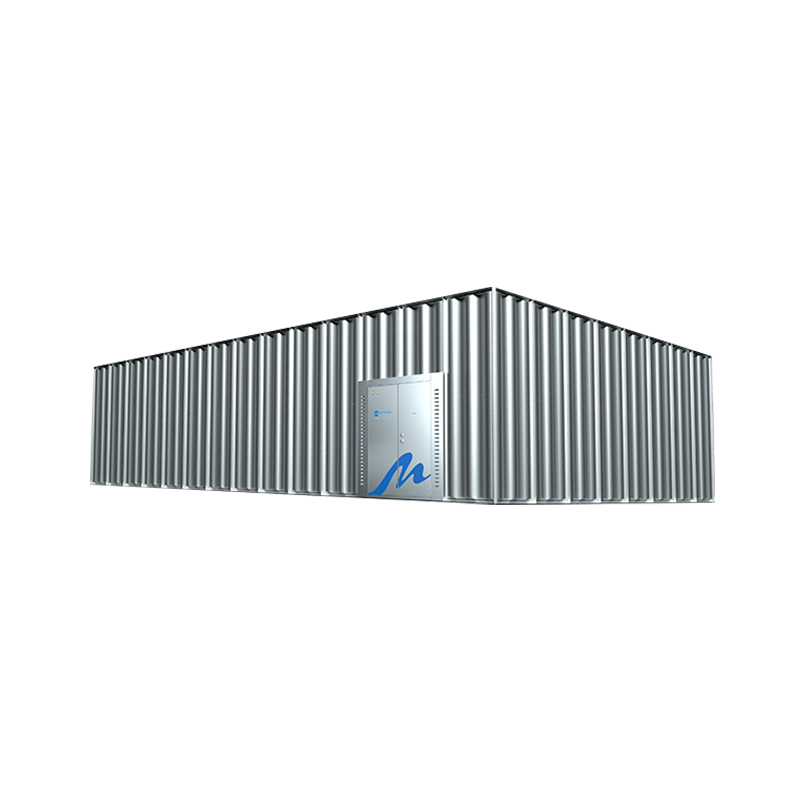
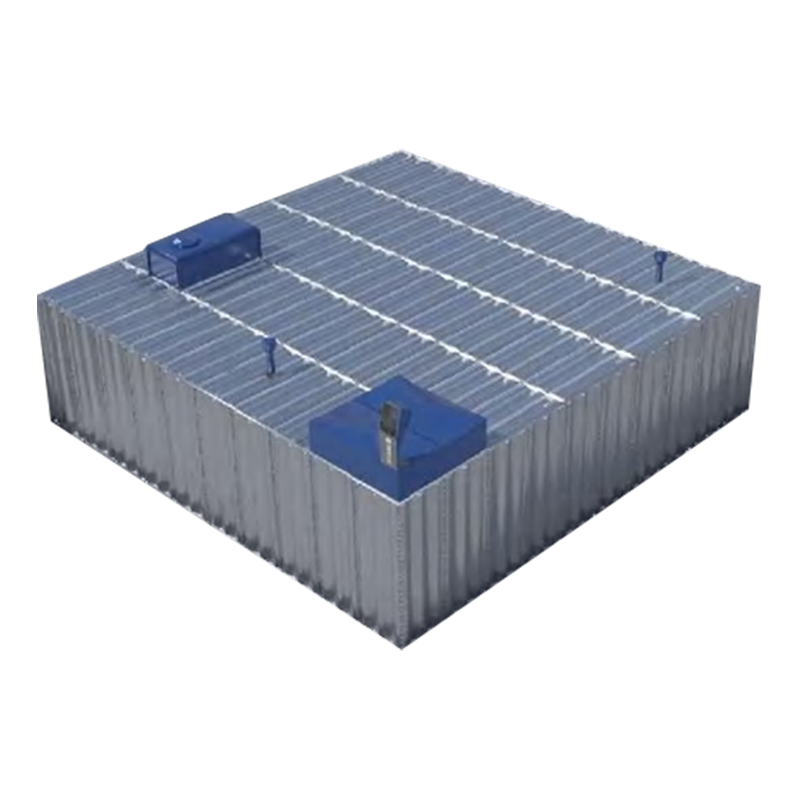
Sectional water tanks are assembled on-site from pre-manufactured flat or formed panels bolted together with sealed joints, rather than delivered as a complete welded vessel. This modular approach solves the access constraint that eliminates conventional tanks from many real-world installation sites: plant rooms, rooftop enclosures, basement cistern chambers, and buildings where doorways, staircases, and structural openings are too small to admit a pre-fabricated tank of the required volume.
Sectional water tank panels are manufactured in three principal materials, each with distinct performance characteristics:
| Panel Material | Key Properties | Typical Application |
|---|---|---|
| GRP (Glass-Reinforced Plastic) | Lightweight, corrosion-proof, UV-stable, NSF 61 / WRAS approved | Potable water storage in commercial buildings, hospitals, and hotels |
| Stainless Steel (Grade 304/316) | Hygienic, long service life, suitable for food-grade and pharmaceutical water | Food production, clean-room facilities, high-hygiene commercial environments |
| Galvanized / Epoxy-Coated Steel | High structural strength, suitable for large fire reserve and industrial water storage | Fire suppression reserves, industrial process water, irrigation storage |
Standard panel modules — typically 1,000 mm × 1,000 mm or 500 mm × 500 mm in the GRP sector — are combined in any length, width, and height configuration to achieve the exact storage volume required. This means a sectional tank can be specified to fit the precise footprint and headroom of the available plant room space, rather than requiring the space to be designed around a fixed-size vessel. Capacities from under 1,000 liters to well over 500,000 liters are achievable within a single sectional tank assembly.
Because sectional tanks are assembled in place, they can also be disassembled and reconfigured if capacity requirements change — a flexibility that a welded vessel cannot offer. Panels are carried through standard doorways and assembled by bolting to an internal steel support frame, with joints sealed using food-grade EPDM or neoprene gaskets that are replaceable without draining the full tank if individual sections are isolated.
Maintenance requirements focus on gasket condition inspection, frame corrosion monitoring (for steel-framed systems), and internal surface cleaning. GRP sectional tanks should be inspected for delamination or crazing at panel surfaces every 3–5 years; stainless sectional tanks require only periodic interior sanitization under normal potable water service conditions.
Related Products

Contact us
Headquater Address
Room 901, Building 17, Lane 1088, Shen Hong Road, Minhang District, Shanghai
Factory Address
No. 1, Mingxing North Road, Tech Innovation Park, Jianhu County, Yancheng, Jiangsu, P. R. China
Amy@mxwatersupply.com
Amy@mxwatersupply.com
Telephone(Whatsapp/Wechat)
+86-18051685983
QR CODE

 English
 Français