Nov 13, 2026
A water tank can have the correct capacity and still create problems if its openings are treated as simple cut-outs. Inlet, outlet, vent, overflow, drain and access hatch details affect filling, withdrawal, air exchange, maintenance, contamination protection and the connection boundary with the rest of the project.
This guide explains how to review water tank openings before fabrication. It is written for contractors, consultants, distributors and project buyers working with sectional water storage tanks. The final design must follow the project specification, responsible engineer's review and applicable local requirements.
Quick answer: Do not review a water tank by capacity and material alone. Check each opening by its function, size, elevation, direction, protection, access requirement and connection responsibility. A vent is not automatically an overflow, and an overflow is not a substitute for a vent.
Content
Start with an opening schedule, not with a general note such as “connections as required.” The schedule should identify the service, nominal size, connection type, orientation, elevation, material, protection and whether the item is supplied by the tank manufacturer or by others.
| Opening | Primary function | Review question |
|---|---|---|
| Inlet | Admits water into the tank | Does the filling route and discharge point match the flow and operating-level design? |
| Outlet | Withdraws stored water | Does its location support the required duty without creating an avoidable low-level or suction issue? |
| Vent | Allows air to leave and enter as water level changes | Is it independent, protected, accessible for inspection and suitable for the tank's air-exchange demand? |
| Overflow | Discharges water when the normal filling control does not stop flow | Can it discharge safely without a direct contamination route or uncontrolled erosion? |
| Drain | Allows controlled emptying for maintenance or testing | Can the tank be drained and isolated without creating a cross-connection risk? |
| Access hatch | Provides inspection, cleaning and maintenance access | Is the cover watertight, secure and located where personnel can use it safely? |
The AWWA standards catalogue separates standards by tank construction and service, including welded carbon-steel, factory-coated bolted carbon-steel and fiberglass-reinforced plastic tanks. Use the standard named by the project as the design basis; do not assume that an opening detail from one tank type can be copied to another.

For the inlet, review where the filling stream enters the tank, how the pipe is supported and whether the discharge point is compatible with the water-level control and internal arrangement. For the outlet, review the withdrawal elevation, isolation valve, adjoining pipework and the operating condition at the lowest required water level.
EPA sanitary survey guidance notes that separate inlet and outlet pipes are preferred in finished-water storage because they can help circulate water within the tank and support more uniform water quality. That is a design consideration, not a universal rule for every tank; the project engineer should confirm the hydraulic arrangement, controls and operating pattern.
Water level changes force air to leave or enter the tank. The vent therefore participates in normal operation; it is not merely a spare hole in the roof. If the vent is undersized, obstructed or badly located, the tank may experience an unwanted pressure or vacuum condition during filling or withdrawal.
The vent must be reviewed separately from the overflow. An EPA Region 8 technical tip states that finished-water storage tanks need separate vents, overflows and hatches, and describes screened, downturned vent arrangements for sanitary protection. It also identifies the need to consider rain, wind, insects, animals, vandalism, physical damage and freezing conditions.
For the vent detail, record:
The EPA guidance gives a 24-mesh non-corrodible screen as an example for the finished-water storage applications it addresses. Do not turn that example into a worldwide specification without checking the contract, authority and applicable standard.
Use the EPA finished-water storage tank inspection and cleaning checklist page as a maintenance reference when planning inspection records. The page provides separate checklists for vents, overflows, drains and hatches, which reinforces the need to review these items as separate components.
An overflow protects the tank when inflow continues after the normal control point. A drain is used for planned emptying, cleaning, testing or maintenance. They may be connected to different discharge arrangements, but neither should be left as an unprotected open route into the tank.
Review the overflow on four levels: capacity, termination, sanitary protection and discharge management. The overflow basis should consider the maximum filling condition identified by the project, and the discharge should be directed away from the tank base or other vulnerable areas.
EPA Region 8 guidance describes screened or mechanical protection for overflow and drain lines, recommends a discharge location that can be routinely inspected, and warns against direct connection to a sewer or storm drain without a properly designed air gap. These are official guidance examples; local requirements may specify different details.
Confirm maximum inflow basis, pipe capacity, termination, splash control, screening or mechanical protection, and the route to a safe discharge point.
Confirm isolation, complete or intended drainage method, access for maintenance, discharge protection and the absence of an unacceptable cross-connection.
An access hatch must support inspection and maintenance while protecting the stored water. Review the frame, cover, hinge, locking method, gasket or seal, overlap, elevation and safe approach route as a coordinated detail.
The Minnesota Department of Health storage-tank plan-review example asks for profile and roof drawings showing access hatches, vents, overflow piping, inlet/outlet piping and dimensions. It also lists location-specific hatch provisions, including a solid, hinged, lockable and watertight cover. The page is marked as last updated October 3, 2022, so use it as an example of a jurisdictional review approach, not as a universal rule.
When reviewing a sectional tank, also check whether the hatch can be assembled, opened and serviced in the actual room. A technically correct hatch detail may still be impractical if a roof beam, pipe rack or ceiling prevents safe access.
Opening details should be reviewed together with operating levels and water turnover. An inlet and outlet arrangement that looks acceptable on paper may create poor circulation if the tank is oversized, compartments are poorly connected or normal demand is much lower than the design assumption.
Michigan guidance warns that stagnation should be considered during design because it can affect ice formation, disinfection byproducts, disinfectant residual and water quality. The practical question is not simply “how many openings does the tank have?” but “how will water move through the tank during normal, low-demand and maintenance conditions?”
Do not promise that a particular nozzle layout will eliminate stagnation in every application. Water quality depends on tank geometry, demand, source water, operating controls, temperature and the wider system.
Before fabrication, compare the opening schedule, GA drawing, connection detail, foundation or support drawing and external piping layout as one package. Use the following questions to close common interface gaps:
| Review area | Close-out question |
|---|---|
| Function | Does every opening have one defined service and a named connection boundary? |
| Capacity and flow | Are filling, withdrawal, overflow and air-exchange assumptions documented? |
| Location | Are centerlines, elevations, orientation and access space shown consistently? |
| Protection | Are vent, overflow, drain and hatch details protected against the relevant contamination and weather risks? |
| Isolation | Can the tank and connected pipework be isolated for testing and maintenance? |
| Water quality | Has the arrangement been reviewed for circulation, turnover and the intended water service? |
| Approval | Are project comments, deviations, revisions and responsible approvals recorded before fabrication? |
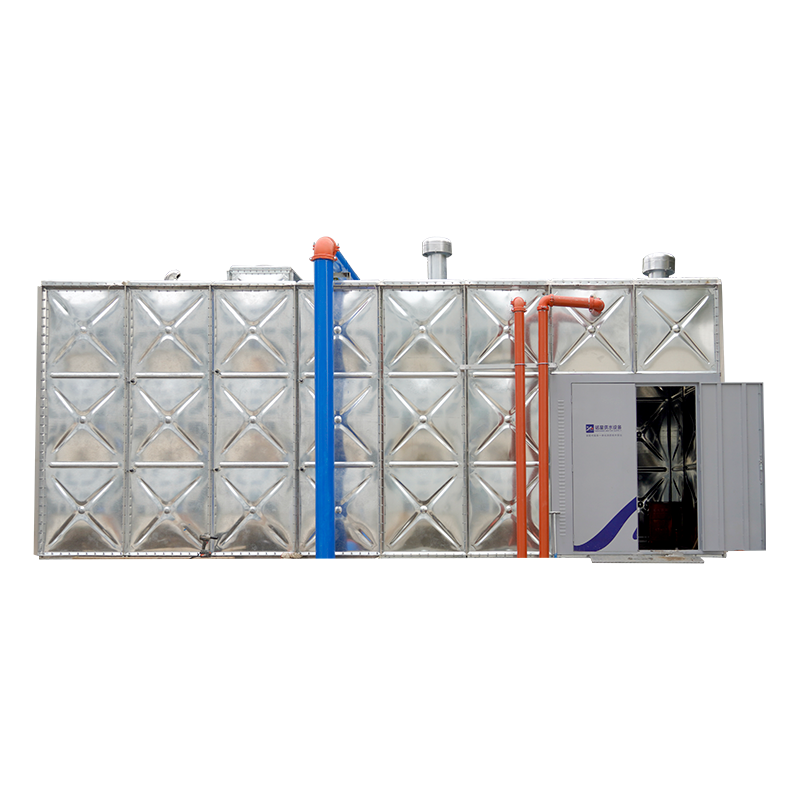
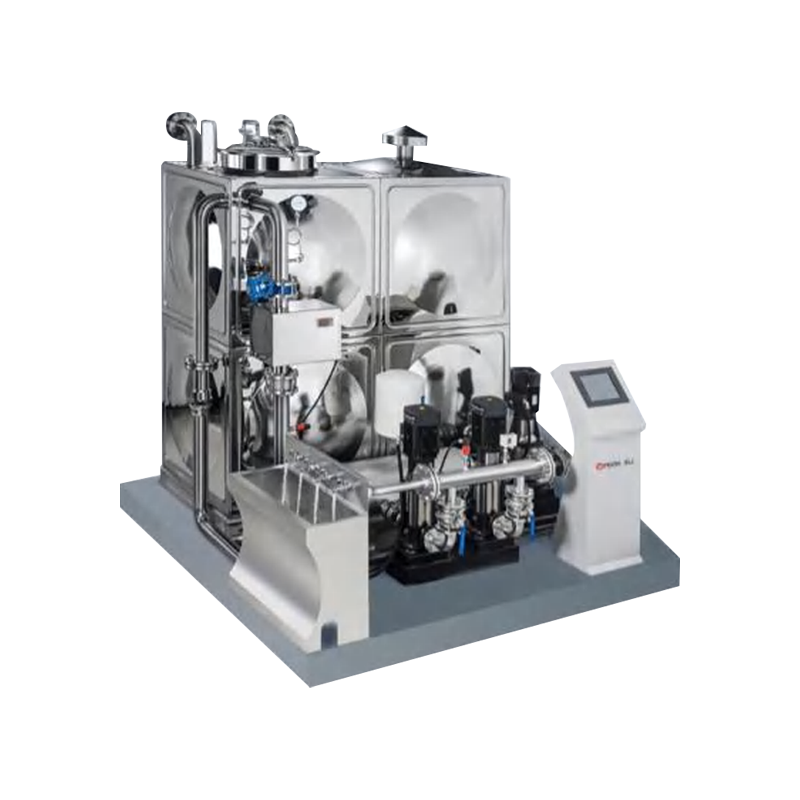
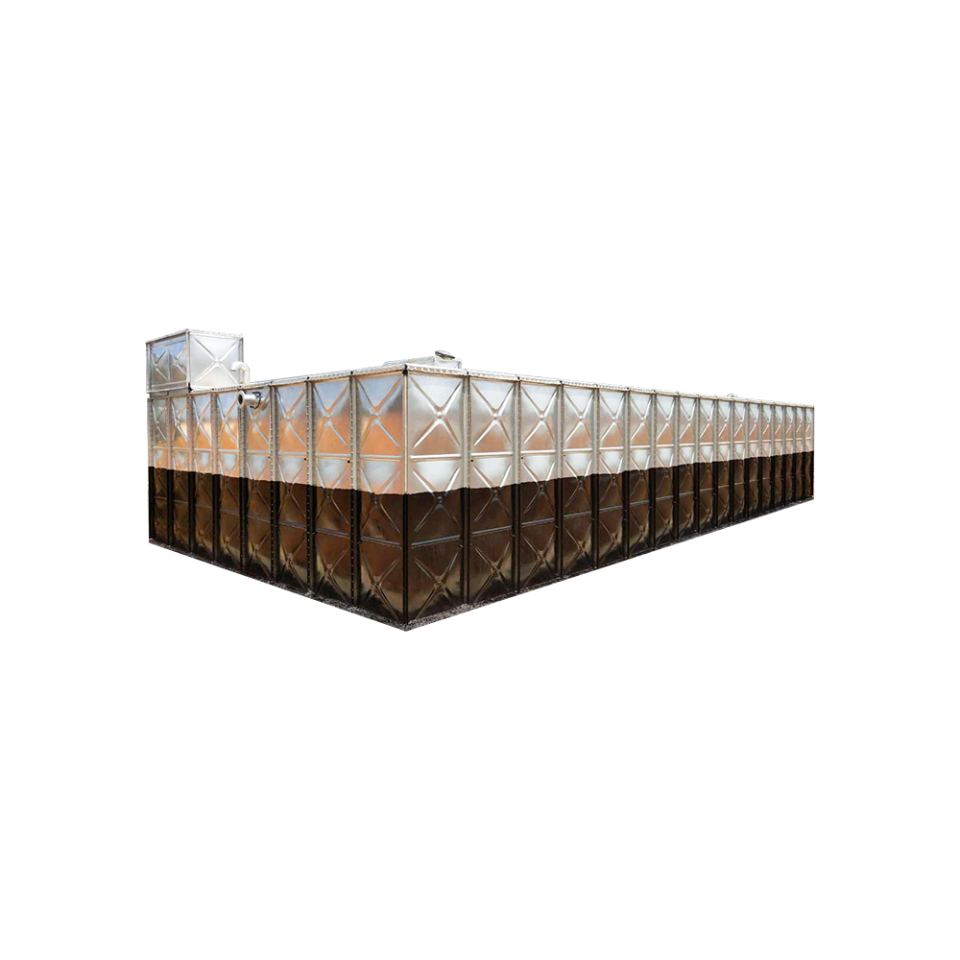
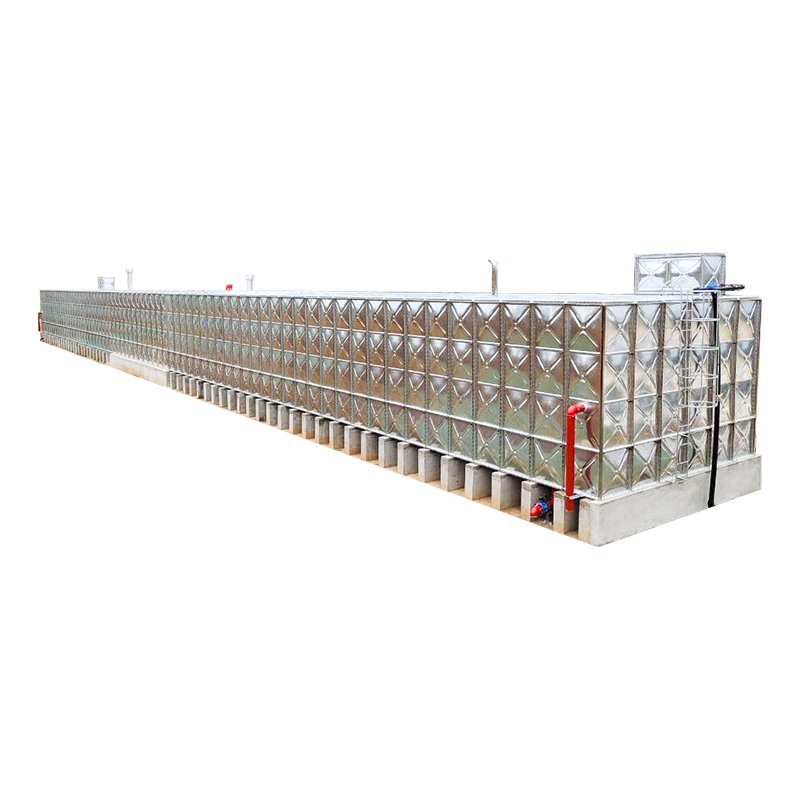
MingXing's sectional water tank range includes assembly-bolted sectional tanks and welded stainless steel sectional tanks. The opening arrangement, material and accessories should be confirmed against the individual project drawings and supply scope.
Send MingXing the application, tank layout and connection schedule for a project-specific review of the tank configuration and opening interfaces.
Do not assume that it can. EPA Region 8 guidance specifically distinguishes the vent from the overflow for finished-water storage. Use the project specification and applicable authority requirements to confirm the final arrangement.
Not automatically. Separate or differently located connections may help circulation in some designs, but the correct arrangement depends on tank geometry, duty, controls, operating levels and water-quality objectives. It should be confirmed by the project engineer.
No. A catalogue can explain a product range, but fabrication should follow project-specific drawings and an agreed connection schedule. Review the actual dimensions, elevations, materials, protection details and scope boundaries.
Related Products

Contact us
Headquater Address
Room 901, Building 17, Lane 1088, Shen Hong Road, Minhang District, Shanghai
Factory Address
No. 1, Mingxing North Road, Tech Innovation Park, Jianhu County, Yancheng, Jiangsu, P. R. China
Amy@mxwatersupply.com
Amy@mxwatersupply.com
Telephone(Whatsapp/Wechat)
+86-18051685983
QR CODE

 English
 Français