Jun 15, 2026
Content
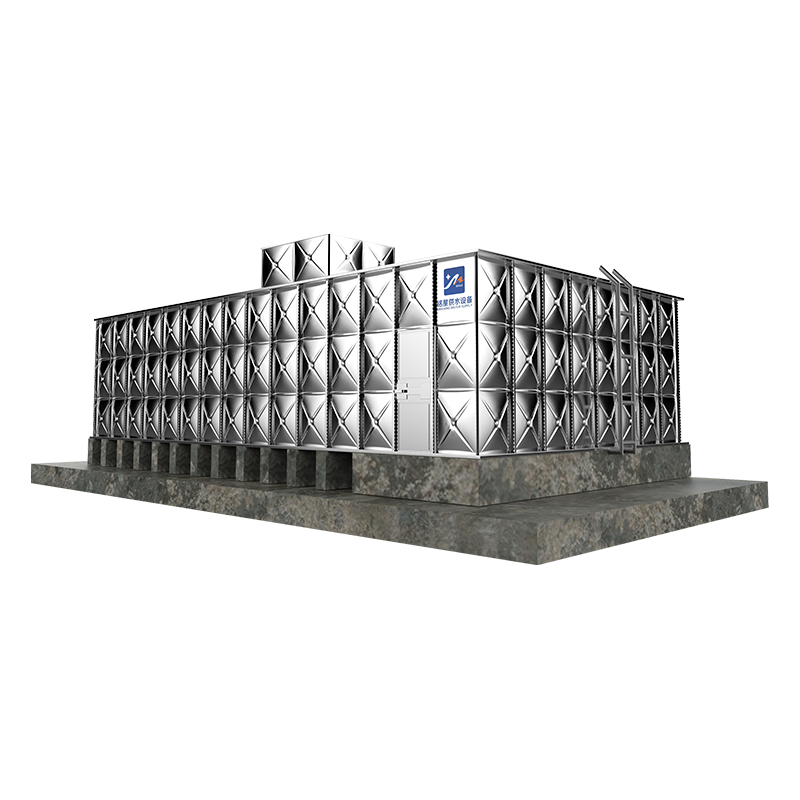
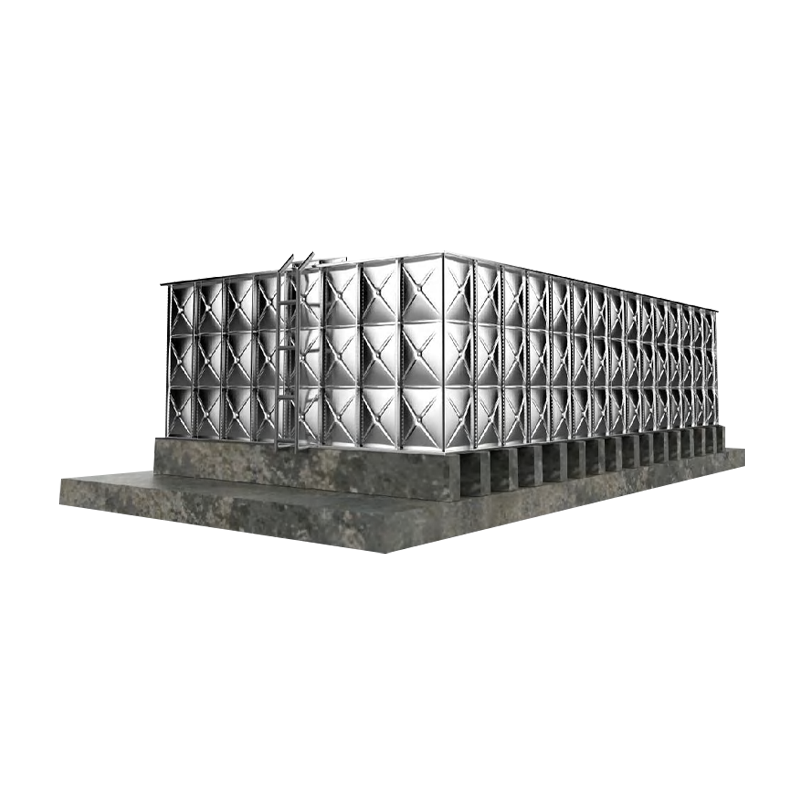
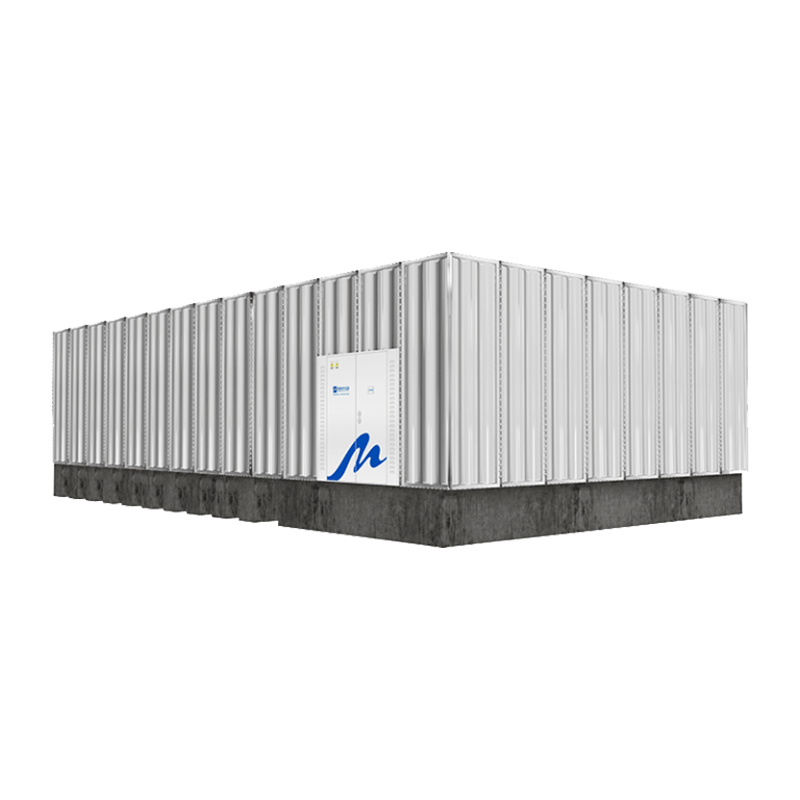
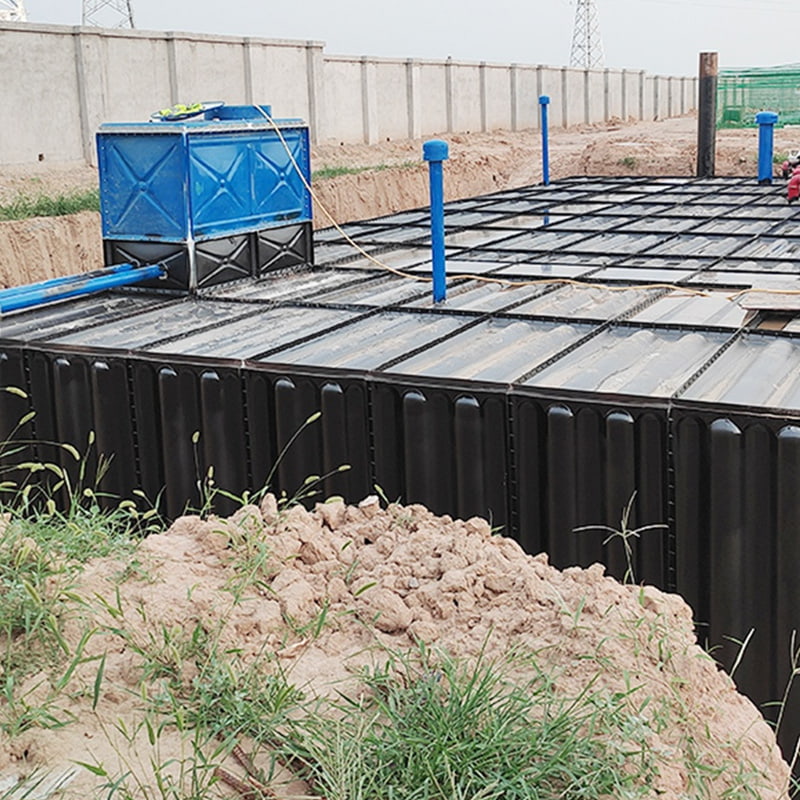
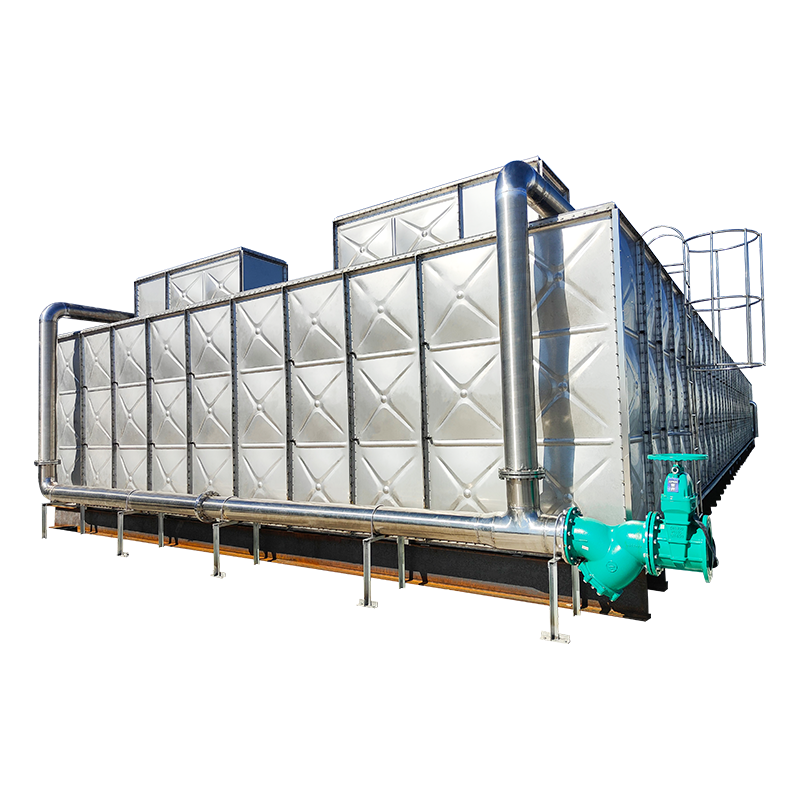
An assembly bolted sectional water tank is a modular storage vessel constructed on-site from factory-manufactured panels that are bolted together at the joints and sealed with waterproof gaskets. Unlike monolithic concrete cisterns or pre-fabricated fiberglass tanks — which must be transported as a single unit — sectional tanks arrive as flat-packed components and are assembled directly at the installation point, eliminating the lifting and access constraints that limit tank size in the field.
This construction method has become the dominant choice for large-volume water storage across commercial, industrial, and municipal applications. A single installation can range from under 5 m³ to well over 3,000 m³, with capacity determined entirely by the number of panels ordered — not by what can be moved through a doorway or hoisted by a crane.
The structural and hygienic performance of an assembly bolted sectional water tank is determined primarily by panel material. Three materials account for the majority of global installations.
GRP panels are the most widely deployed option in potable water storage. The material is inherently non-corrosive, non-toxic, and does not require internal lining or coating to comply with drinking water contact standards. GRP panels are typically manufactured by compression molding, which produces a consistent wall thickness and a smooth internal face that resists biofilm formation. Standard panel sizes range from 0.5 m × 0.5 m to 1 m × 1 m, with wall thickness from 6 mm to 12 mm depending on depth loading and structural requirements.
Key property: GRP has low thermal conductivity, which reduces heat gain in above-ground installations — an advantage in warm climates where elevated water temperature accelerates bacterial growth.
Galvanized steel sectional tanks offer superior structural rigidity and are preferred for very large-capacity installations (above 500 m³) where panel deflection under hydrostatic pressure must be tightly controlled. The zinc coating provides corrosion protection; however, tanks intended for potable water must be fitted with a food-grade internal liner — typically a flexible EPDM or WRAS-approved butyl rubber bladder — to prevent zinc leaching into the water supply.
Galvanized steel tanks have a service life of 20–30 years under normal conditions, with liner replacement typically required at 10–15 years.
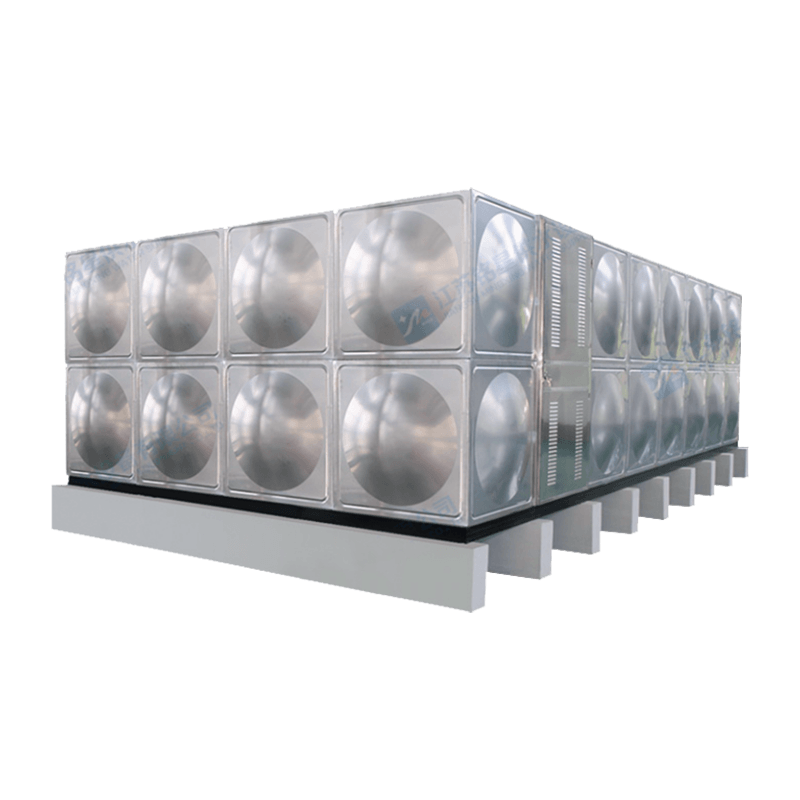
Stainless steel sectional tanks are specified in applications requiring the highest hygiene standards — pharmaceutical water storage, food and beverage production, and hospital fire suppression systems where any contamination risk is unacceptable. Grade 316L (low-carbon, molybdenum-bearing) provides enhanced chloride resistance suitable for coastal environments and desalination plant storage. These tanks require no internal lining and are fully cleanable to GMP standards. Cost is significantly higher than GRP or galvanized steel, but lifecycle costs are competitive due to the extended service life of 50+ years with minimal maintenance.
| Material | Potable Water | Liner Required | Typical Service Life | Relative Cost |
|---|---|---|---|---|
| GRP | Yes (no liner) | No | 25–30 years | Low–Medium |
| Galvanized Steel | With liner only | Yes | 20–30 years | Medium |
| Stainless Steel 304 | Yes (no liner) | No | 40–50 years | High |
| Stainless Steel 316L | Yes (no liner) | No | 50+ years | Very High |
The structural integrity of a sectional tank depends on the quality and design of its joint system. Panels connect along their flanged edges using stainless steel bolts and nuts at regular intervals — typically every 100–200 mm — with a continuous gasket running the full length of each joint. The gasket material is critical: food-grade EPDM (ethylene propylene diene monomer) rubber is the standard for potable water applications, rated for continuous immersion and resistant to chlorination chemicals at the concentrations used in municipal water treatment.
Structural load is distributed through the panel flanges into a base frame — typically hot-dip galvanized steel angle or channel — which transfers hydrostatic and seismic loads to the foundation. For tanks above 2 m in height, internal tie rods running horizontally between opposing walls are required to resist hydrostatic bowing at mid-panel.
A trained two-person crew can typically assemble a 50 m³ GRP sectional tank in one working day. Larger steel tanks of 500 m³ may require 3–5 days with a larger installation team.
Because panels are typically no larger than 1 m × 1 m and lightweight enough for manual handling (GRP panels weigh approximately 8–15 kg each), assembly bolted sectional tanks can be installed in locations completely inaccessible to crane or vehicle: basement plant rooms, rooftops, confined corridors, and existing buildings without structural alterations. This is the single most important advantage over pre-fabricated alternatives and is the primary reason sectional tanks dominate in retrofit, refurbishment, and urban infrastructure projects.
Capacity expansion is achieved by adding panels to existing walls or extending the tank footprint — a significant operational advantage in growing facilities. A tank originally specified at 100 m³ can be expanded to 200 m³ by removing one end wall, installing extension panels, and bolting on a new end wall. This modular scalability allows capital expenditure to be phased in line with actual demand rather than over-specified at the outset.
Individual damaged panels can be unbolted and replaced without decommissioning the entire tank — a critical advantage over monolithic concrete or welded steel storage. Gaskets, the most wear-prone component, can be inspected and replaced in-place during routine maintenance shutdowns. This component-level serviceability extends the effective operational lifespan of the installation well beyond the rated panel life.
GRP and stainless steel sectional tanks manufactured to BS EN 13280 (UK), WRAS approval, or NSF/ANSI 61 (North America) standards meet potable water contact requirements without additional treatment. Regulatory compliance documentation — including material safety data sheets, third-party test certificates, and installation records — is typically available from the manufacturer and required for building control approval in most jurisdictions.
The versatility of the assembly bolted sectional design has driven adoption across a wide range of sectors:
Accurate specification prevents undersizing, non-compliance, and unnecessary cost. The following parameters should be confirmed before procurement:
An assembly bolted sectional water tank in potable water service should follow a structured maintenance regime to maintain water quality and structural integrity:
Maintenance records should be retained for regulatory compliance and are typically required to demonstrate due diligence under Legionella risk assessment obligations in commercial and public buildings.
Related Products

Contact us
Headquater Address
Room 901, Building 17, Lane 1088, Shen Hong Road, Minhang District, Shanghai
Factory Address
No. 1, Mingxing North Road, Tech Innovation Park, Jianhu County, Yancheng, Jiangsu, P. R. China
Amy@mxwatersupply.com
Amy@mxwatersupply.com
Telephone(Whatsapp/Wechat)
+86-18051685983
QR CODE

 English
 Français