May 25, 2026
Content
Small stainless steel tanks are not simply scaled-down versions of large industrial vessels — they are precision-engineered containment solutions built to handle demanding media in space-constrained environments. Typical capacities range from 1 liter to several hundred liters, and the defining characteristic is that the tank must still deliver the same corrosion resistance, cleanliness, and mechanical reliability as its full-scale counterparts.
The most widely specified alloy for compact tanks is 304 stainless steel, which offers excellent resistance to water, mild acids, and most organic compounds at a cost-effective price point. Applications requiring exposure to chlorides, seawater, or aggressive cleaning agents upgrade to 316L stainless steel, where the addition of molybdenum closes the gap against pitting and crevice corrosion. In pharmaceutical and ultra-high-purity food applications, electropolished interior surfaces with a roughness average (Ra) below 0.4 µm are standard, eliminating microbial harbor points without relying on chemical coatings.
Beyond material grade, wall thickness relative to tank volume is a critical design variable for small tanks. Because the surface-area-to-volume ratio increases as tank diameter decreases, thin-wall small tanks actually experience proportionally higher hoop stress under internal pressure than large tanks of the same nominal pressure rating. Reputable fabricators account for this by maintaining minimum wall thicknesses consistent with ASME or PED design codes even when a customer's operating pressure appears low.
A stainless steel pressure tank stores or processes fluids — gases, liquids, or mixed-phase media — at pressures above atmospheric. The working pressure rating, expressed in bar or PSI, is the single most consequential specification and must be verified against the applicable pressure vessel code before any tank is placed in service.
The two dominant codes governing stainless steel pressure vessel fabrication are:
For small pressure tanks used in laboratory, pilot-plant, or skid-mounted systems, buyers frequently encounter non-code tanks — vessels fabricated to the manufacturer's internal design standard rather than a recognized code. These are acceptable in many jurisdictions for lower-pressure or non-regulated service, but require a formal engineering evaluation before use in a certified plant or a hazardous location.
Three numbers appear on every pressure tank data sheet, and confusing them is a common source of procurement errors:
| Term | Definition | Typical Relationship |
|---|---|---|
| Maximum Allowable Working Pressure (MAWP) | Maximum continuous operating pressure stamped on the vessel | Baseline reference |
| Design Pressure | Pressure used in code calculations, typically 10% above the maximum expected operating pressure | ≥ MAWP |
| Hydrostatic Test Pressure | One-time proof test applied during manufacture using water | 1.3–1.5× MAWP per code |
Selecting a stainless steel pressure tank rated at exactly the maximum expected operating pressure leaves no safety margin for pressure spikes, thermal expansion, or future process changes. A conservative approach specifies a tank with a MAWP at least 25–30% above the normal operating pressure, which also preserves valve and relief device response time.
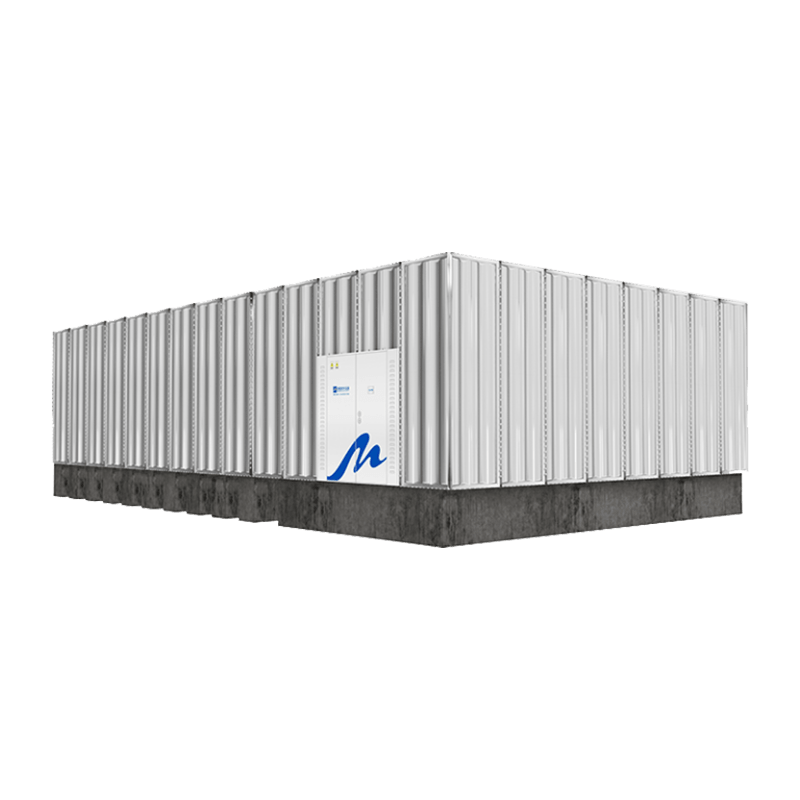
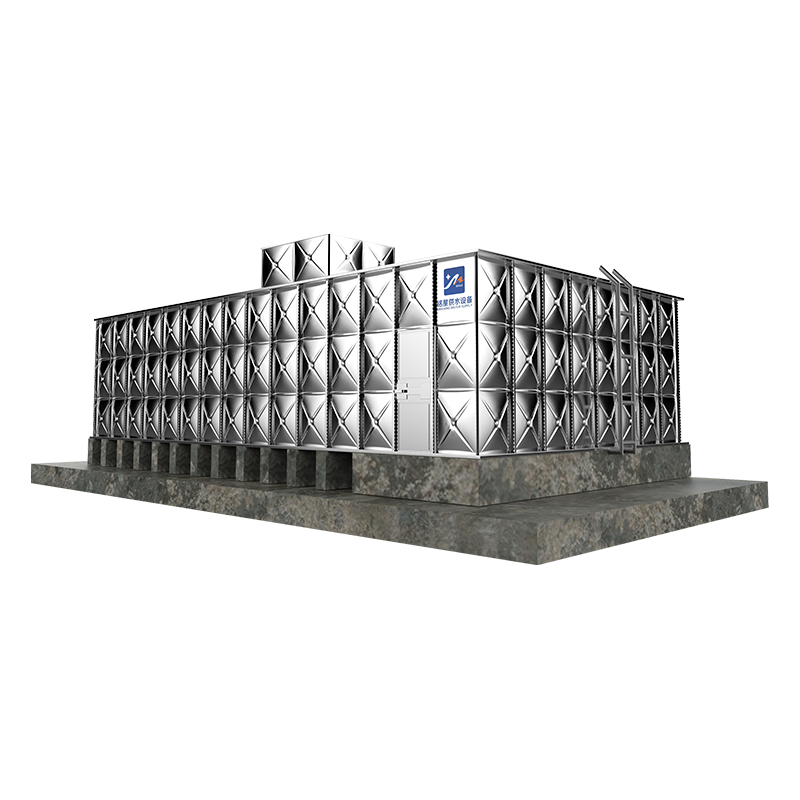
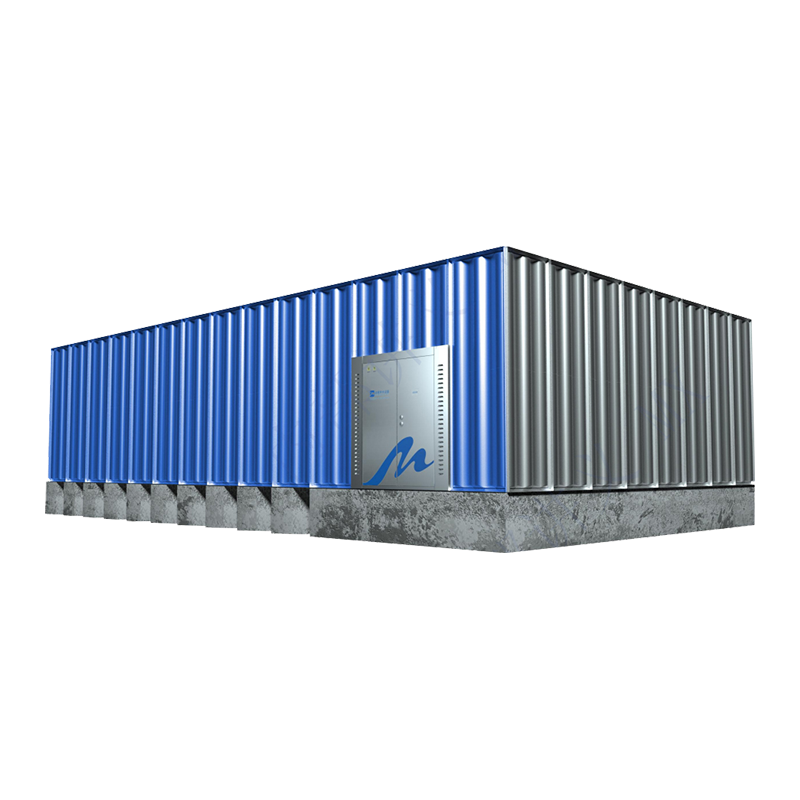
Stainless steel water tank fabrication covers a broad spectrum — from simple atmospheric-pressure storage vessels for potable water to complex jacketed tanks for hot water heating systems and chilled water buffer tanks in HVAC applications. The fabrication process, while outwardly similar across applications, diverges significantly in weld quality requirements, surface treatment, and testing protocol depending on service conditions.
Water storage tanks intended for potable water contact carry additional compliance obligations beyond structural integrity. In the United States, tanks must typically comply with NSF/ANSI 61, which certifies that materials do not leach contaminants into drinking water at levels above established health thresholds. European projects reference the European Drinking Water Directive (2020/2184/EU) and relevant EN standards. Fabricators serving potable water markets must document full material traceability and use only NSF-listed elastomers for gaskets and seals.
Internal surface finish also plays a practical role in water quality: a 2B or BA mill finish is generally acceptable for atmospheric cold water storage, while hot water systems operating above 60°C benefit from a ground or electropolished interior that minimizes scale adhesion and simplifies periodic inspection. For tanks in recirculating systems, all stagnant zones — dead-legs longer than three pipe diameters are the standard cutoff — should be eliminated at the design stage to prevent bacterial colonization.
Standard stainless steel water tank designs with common nozzle configurations ship from specialist fabricators in 4–10 weeks. Fully custom vessels — non-standard diameters, jacketed designs, integrated heating coils, or code-stamped vessels requiring third-party inspection hold points — typically require 10–20 weeks depending on shop backlog and the complexity of the required NDE documentation package.
A complete purchase specification for a fabricated stainless steel water tank should include:
With stainless steel tank specifications, over-engineering and under-engineering both carry real costs. Over-specifying alloy grade or surface finish on a non-critical atmospheric water storage tank adds unnecessary fabrication cost; under-specifying wall thickness or omitting code certification on a pressure vessel creates safety and liability exposure.
A reliable starting framework evaluates four variables in sequence: the stored medium and its corrosivity (determines alloy grade); the operating pressure and temperature (determines wall thickness, head design, and whether a code stamp is required); regulatory and end-use environment (determines certifications such as NSF, ASME, PED, or FDA 21 CFR compliance); and space, weight, and installation constraints (determines tank geometry and support structure). Working through these four dimensions before approaching a fabricator results in a tighter specification, a more accurate quotation, and a faster approval process.
For applications that fall at the boundary between standard product and custom fabrication — for example, a small stainless steel pressure tank with an unusual nozzle orientation or a non-standard working pressure — experienced fabricators can often adapt an existing qualified design rather than starting from scratch, reducing both lead time and the extent of required NDE. Buyers who provide a detailed process datasheet at the inquiry stage consistently achieve faster turnaround and fewer post-order change orders than those who rely on verbal descriptions or generic drawings.
Related Products

Contact us
Headquater Address
Room 901, Building 17, Lane 1088, Shen Hong Road, Minhang District, Shanghai
Factory Address
No. 1, Mingxing North Road, Tech Innovation Park, Jianhu County, Yancheng, Jiangsu, P. R. China
Amy@mxwatersupply.com
Amy@mxwatersupply.com
Telephone(Whatsapp/Wechat)
+86-18051685983
QR CODE

 English
 Français