Oct 02, 2026
A 12-storey residential block with a 0.32 MPa street main looks like the ideal candidate for direct connection. The owner wants no roof tank, the utility limits the draw, and top-floor fixtures still need pressure when neighbouring towers fill. A direct connected water supply system can satisfy all three, but only when the design responds to real mains capacity, not nominal pressure. This guide explains what the term means, how far incoming pressure can go, and where a booster becomes mandatory.
Content
A direct connected water supply system delivers potable water from the municipal main into fixtures without passing through an intermediate storage tank. Water is consumed almost as soon as it enters the building; the incoming main serves as both source and pressure container. The meter, isolation valve, backflow preventer, and risers are sized for instantaneous flow, and every fixture depends on main pressure at the outlet.
In multi-storey buildings the term still covers several layouts: a flat connected straight to the main, an inline pump without a tank, or a digital non-negative-pressure device that tops up pressure while the public network keeps supplying. All are direct configurations because none stores water.
The direct connected water supply system is best defined as any configuration in which public network pressure moves water through the building, with no atmospheric storage between the water authority connection and the draw-off point.
Direct connection keeps water quality and floor space advantages, while an indirect system adds pressure stability and reserve. The decision is rarely about one factor; it is a trade-off across eight practical criteria that can be scored during a feasibility study.
| Criterion | Direct connected | Indirect tank-and-pump |
| Water quality | No stored volume, no stagnation | Tank needs regular cleaning; biofilm risk |
| Pressure stability | Tracks utility pressure in real time | Roof tank gives steady gravity head |
| Building space | Frees roof and basement area | Dedicated tank room or roof footprint |
| Power resilience | Pump failure stops supply | Stored volume provides short buffer |
| First cost | Lower equipment count, smaller footprint | Tank, frame, overflow, and extra pumps |
| Maintenance | Annual backflow and pump check | Tank inspection, disinfecting, pump service |
| Overflow risk | No overflow apart from a failed valve | Float failure can cause roof overflow |
| Regulatory approval | Must prove suction does not harm the main | Usually accepted with a storage tank |
Mains pressure stays above 0.20 MPa all day, the utility grants a stable draw permit, and you want the shortest distance between treatment plant and tap.
Mains pressure drops below 0.10 MPa at peak hours, the utility restricts direct tapping, or the building needs stored reserve for fire or outages.
Most plumbing codes allow direct connection to the public main only when pumping does not create negative pressure at the street connection. That is why non-negative-pressure and variable-frequency control dominate modern direct systems.
A direct connected water supply system is practical up to roughly seven to ten storeys on an ordinary 0.25 to 0.35 MPa city main. Atmospheric pressure lifts water by about 0.01 MPa per metre; a fixture needs at least 0.05 MPa at the outlet. With a 0.30 MPa street main, the useful head after the meter is roughly 25 m, which covers eight floors of 3 m floor height before static pressure becomes marginal.
Above that height the low floors need pressure-reducing valves, while the high floors demand a booster. Separating the building into pressure zones is the only reliable way to keep both the 2nd-floor tap at 0.08 MPa and the 14th-floor shower at 0.45 MPa. A single direct-connection pump handling the whole height would leave low-level pipes under constant overpressure and shorten fitting life.
Direct systems with VFD-driven pumps avoid the lift-and-store cycle of indirect systems. Field comparisons on residential duty cycles typically show 15 to 30 percent lower pump energy for the same usable volume, mainly because the pump only pushes the water that is actually drawn.
Design of a direct connected water supply system is a sequence of five decisions: utility consent, demand, pressure, protection, and operation. Skipping the first step is the most common cause of rejected drawings, because the utility, not the architect, decides whether the main has enough capacity for direct tapping.
Check minimum allowed inlet pressure, maximum instantaneous flow, and whether a non-negative-pressure device is required.
Apply fixture units and diversity; size the riser for the largest realistic morning peak, not the average daily flow.
Account for meter loss, pipe friction, and height gain. Add a pressure-regulating valve where static pressure exceeds roughly 0.45 MPa.
A reduced-pressure zone assembly is common for direct connections carrying potable water.
Use VFD control to hold constant outlet pressure through variable demand, and add telemetry points for pressure, flow, and pump status.
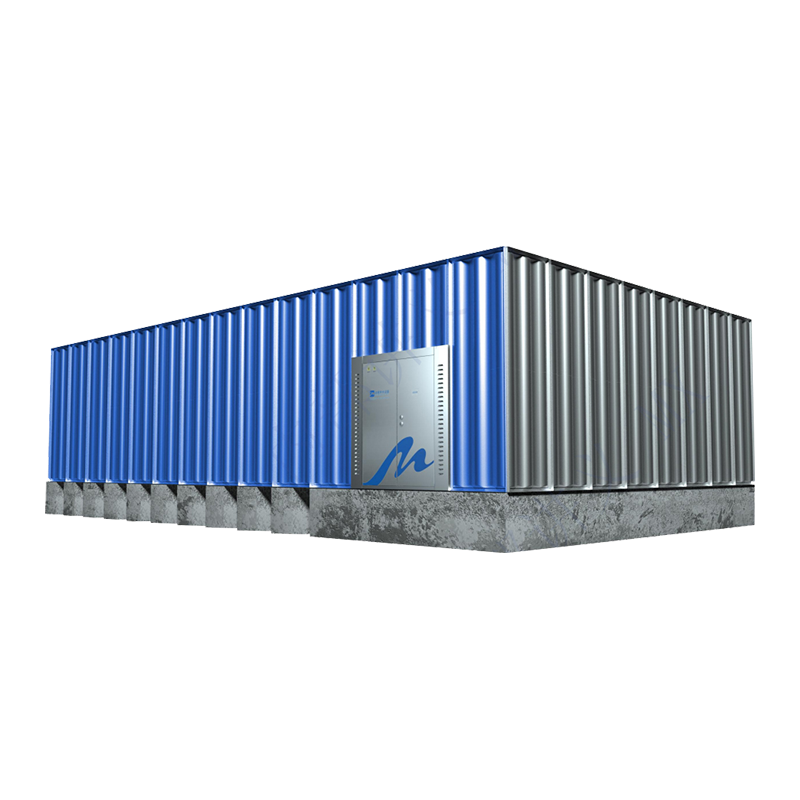
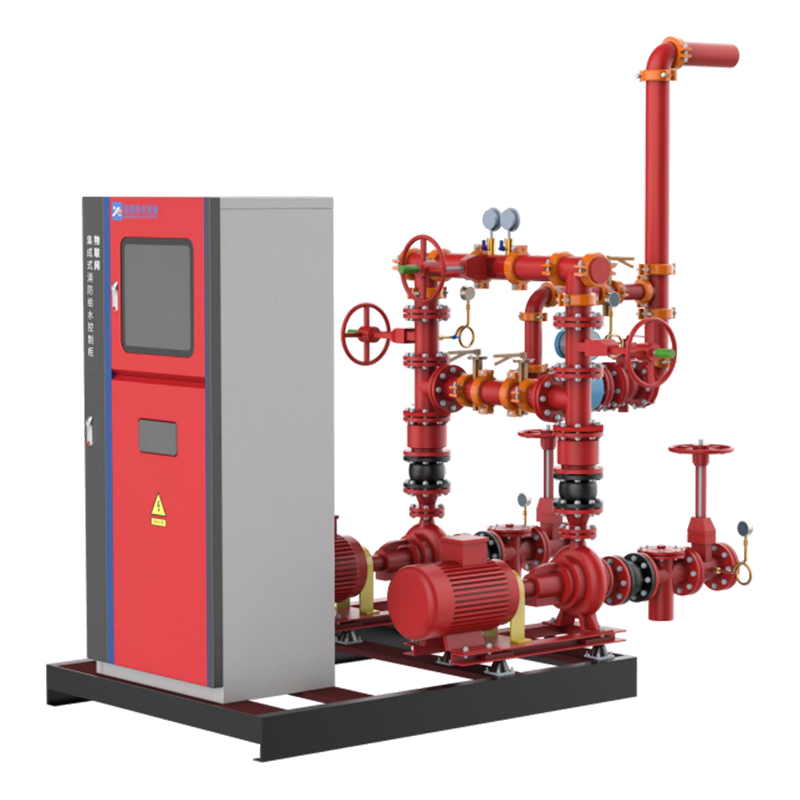
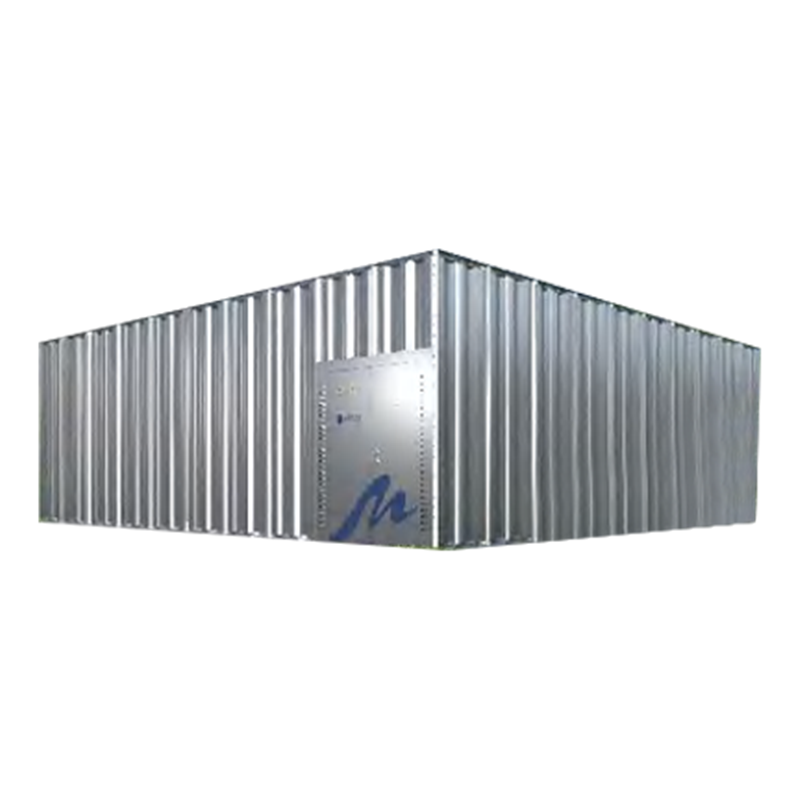
Direct connection equipment is now delivered as an instrumented package. At Jiangsu Mingxing Water Supply Equipment Co., Ltd. (Leaqua), direct-connection units are factory-tested so riser connections, sensors, and controllers spend less time being assembled on site.
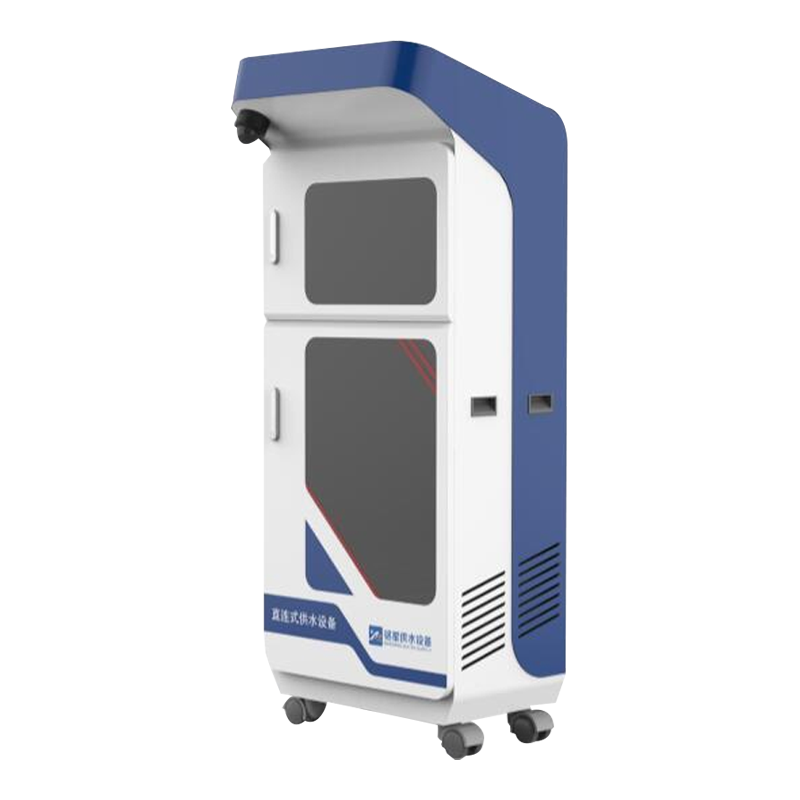 Instrumented Direct Connection Water Supply Package with Modular 304 Stainless Steel DesignThis factory-tested direct-connection unit integrates pumps, sensors, and controllers to reduce on-site assembly. Its modular 304 stainless steel cabinet with IP55 protection suits outdoor and complex environments, while remote monitoring and dynamic pressure adjustment support efficient and stable water delivery.View Product →
Indexed daily pumping work; lower is better. Engineering estimate for typical variable residential load, fixed-speed pump = 100.
For projects where riser zoning gets complicated, engineered integrated water supply packages move the design effort from the construction site to a controlled factory environment.
Direct connection needs a booster when utility pressure, flow, or continuity cannot satisfy the building demand at the same time. The right answer is not a larger tank; it is an inline pump, a non-negative-pressure unit, or a packaged pump station that preserves the direct configuration.
Trigger conditions to check in the feasibility stage:
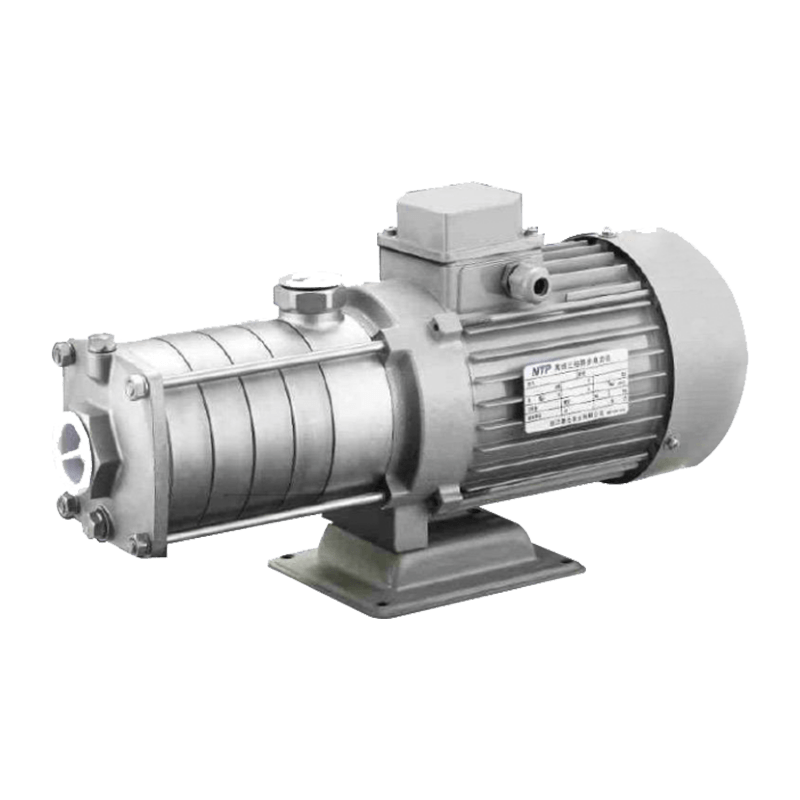
For the simplest cases, a VFD-controlled constant-pressure booster keeps the outlet pressure steady and reacts to flow within seconds. Pump affinity explains why: halving the flow can cut pump power demand by roughly a factor of eight on that section of the operating curve, which is why variable-frequency control is now standard on direct systems. Published variable-frequency benefits for stability and energy match this behaviour closely.
A VFD booster is the right instrument when the main still delivers volume but fails on pressure. If the main also runs dry during demand peaks, choose a non-negative-pressure or tank-assisted configuration so the public pipe is never pulled into negative pressure.
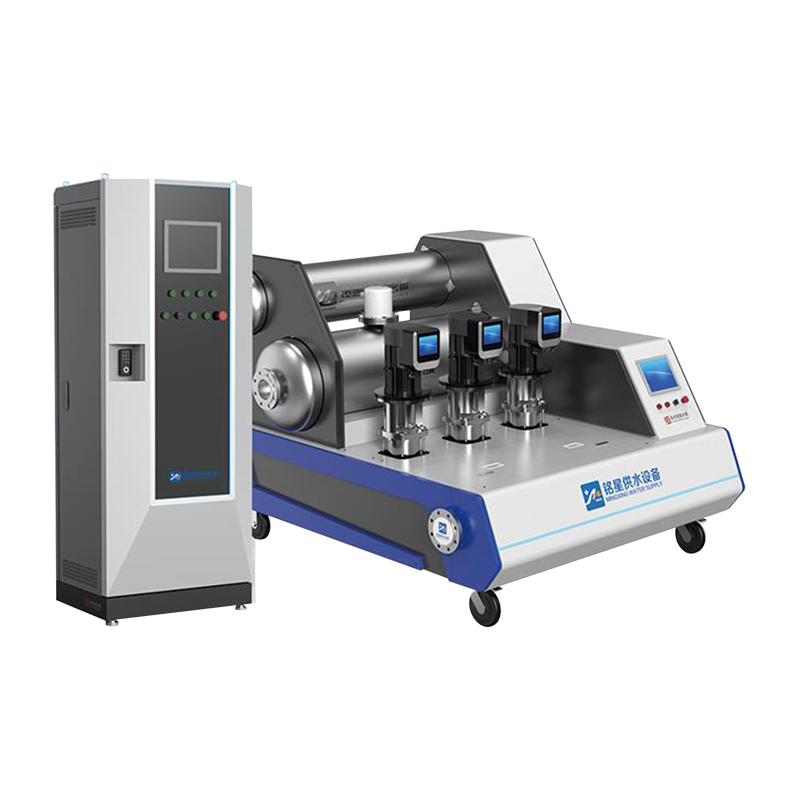 VFD Controlled Constant Pressure Booster System for Residential and Infrastructure ProjectsPositioned after the direct-connection discussion, this VFD booster suits situations where the main line has adequate volume but insufficient pressure. It is presented alongside referenced projects such as public health centers and expressways, indicating its applicability to boosting water pressure in demanding installations.View Product →
Non-negative-pressure systems combine the direct concept with a water-regulating chamber. They are widely used where the utility rules forbid direct suction but the building owner still wants no large storage tank. A digital full-frequency variable tank-type non-negative-pressure pump station is one such hybrid common in residential complexes.
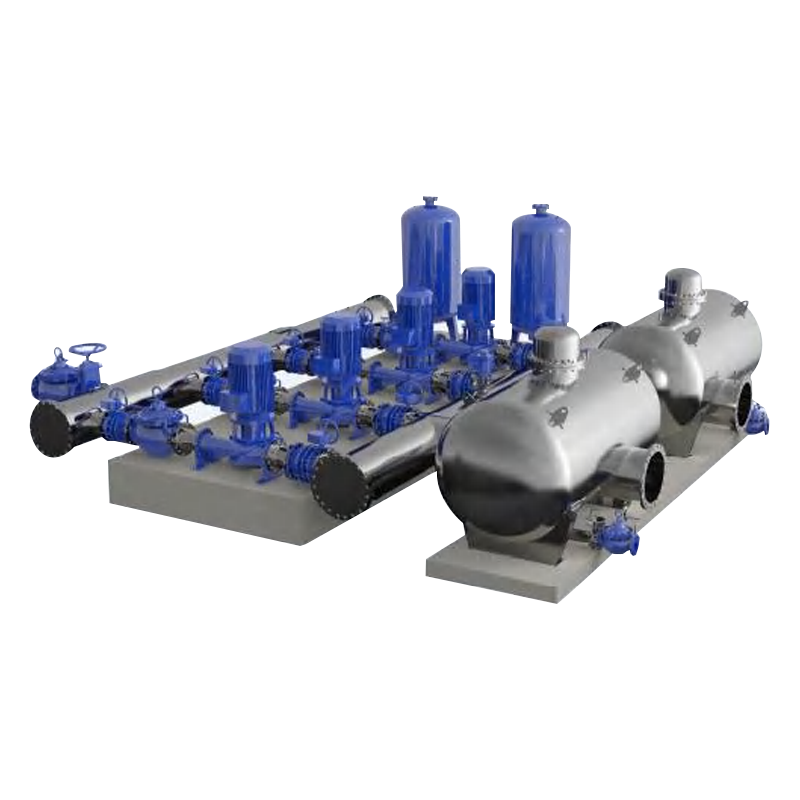 Digital Fully Variable-Frequency Tank-Type Non-Negative Pressure Pump StationThis hybrid system combines a water-regulating tank with non-negative pressure technology, preventing negative pressure on the municipal main while maintaining constant pressure. Full frequency conversion and intelligent monitoring enable energy-efficient, unattended operation, making it a practical option for residential complexes where direct suction is restricted.View Product →
A direct connected water supply system moves potable water from the public main through the building using incoming network pressure, with no atmospheric storage tank between the connection and the fixture.
High-rise demand often exceeds what the public main can deliver without negative pressure. Code approval, fire reserve requirements, and pressure zone limits force designers to add tanks or booster stages above roughly seven to ten storeys.
With a typical 0.25 to 0.35 MPa municipal main, direct supply covers about 30 to 40 m of building height. Beyond that, static pressure on lower floors becomes excessive and top-floor pressure becomes inadequate, so zoning or boosting is required.
Yes. An inline VFD booster or a non-negative-pressure unit can be added at the service entry if the main remains stable, provided backflow protection and pressure monitoring are upgraded at the same time.
Start with the utility's draw permit and a 24-hour pressure log. A direct connected water supply system is the best performing option when mains data, code conditions, and demand patterns align; where they do not, a hybrid booster system preserves most of the same benefits.
Related Products

Contact us
Headquater Address
Room 901, Building 17, Lane 1088, Shen Hong Road, Minhang District, Shanghai
Factory Address
No. 1, Mingxing North Road, Tech Innovation Park, Jianhu County, Yancheng, Jiangsu, P. R. China
Amy@mxwatersupply.com
Amy@mxwatersupply.com
Telephone(Whatsapp/Wechat)
+86-18051685983
QR CODE

 English
 Français