Home / Newsroom / Industry news / Sectional Water Tanks: Materials, Installation and Uses

Sectional Water Tanks: Materials, Installation and Uses

Jul 10, 2026

What Is a Sectional Water Tank

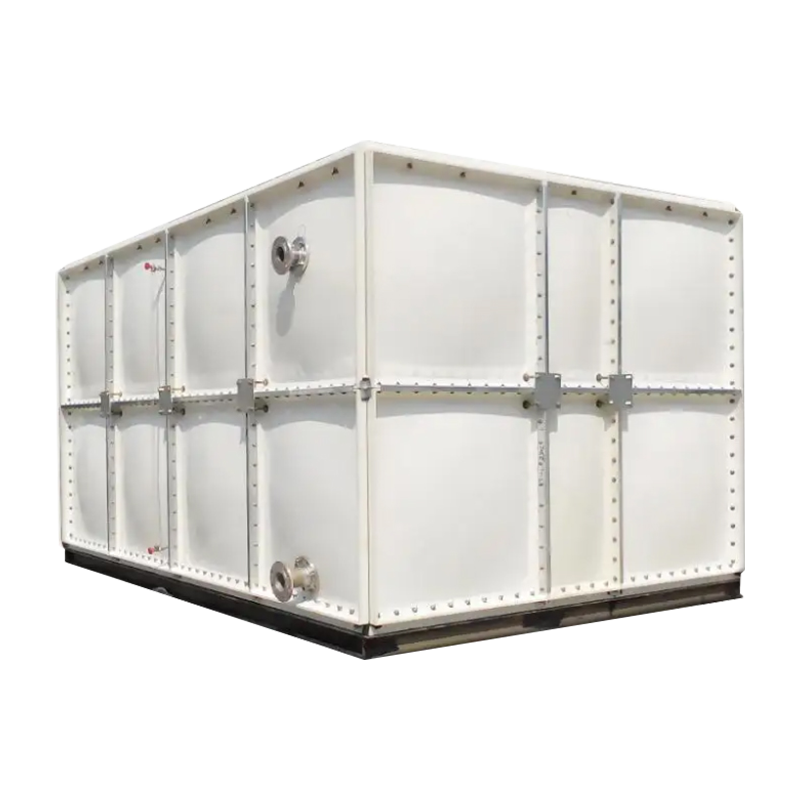
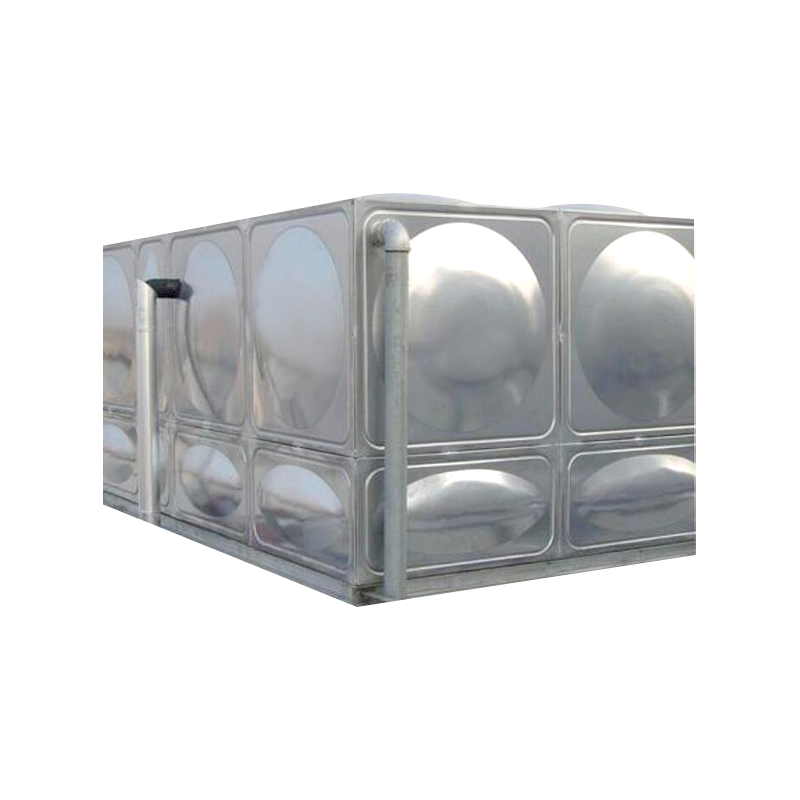
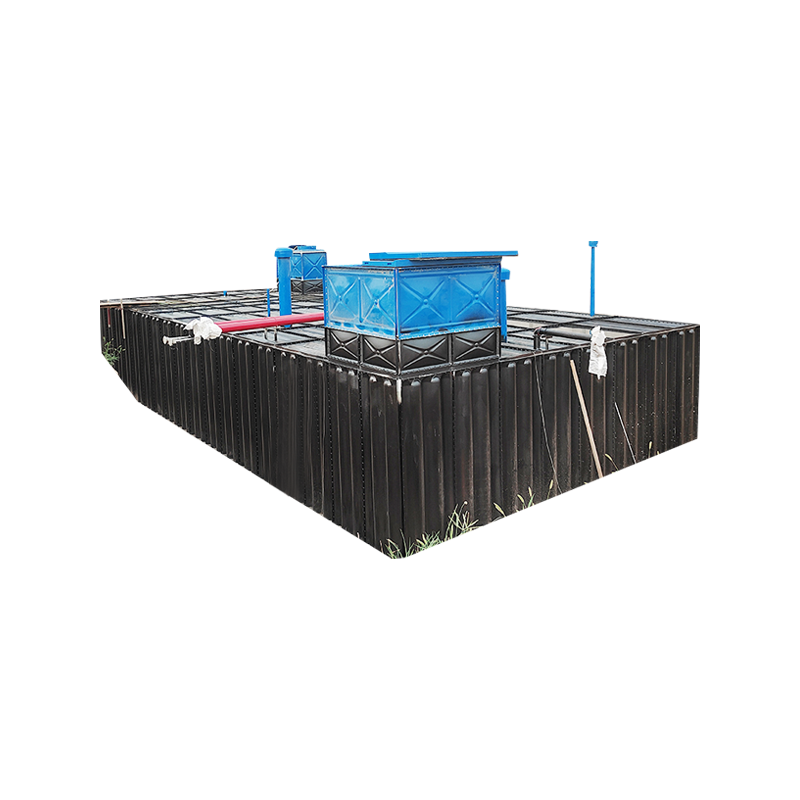
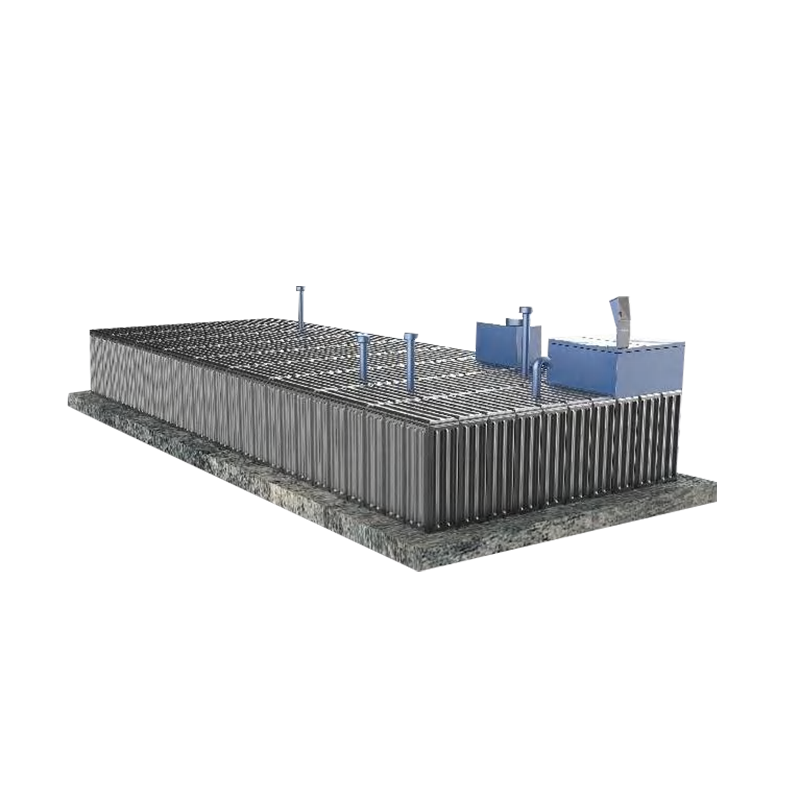
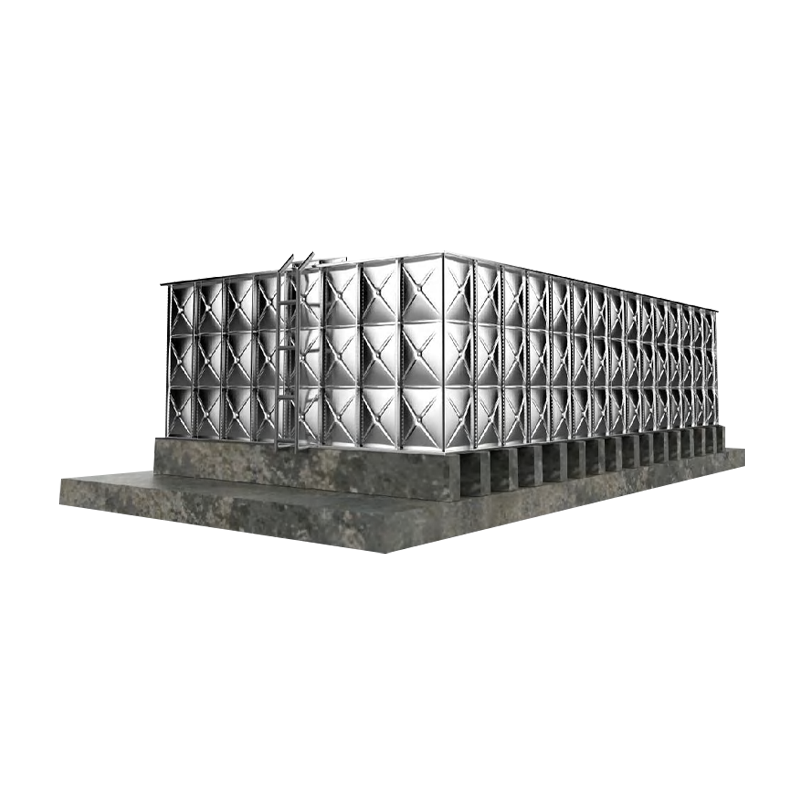
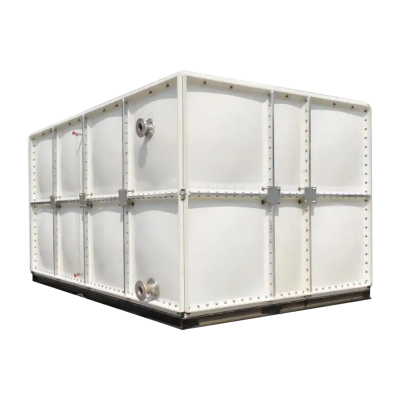
A sectional water tank is built from individual panels — most commonly GRP (glass-reinforced plastic, also called fiberglass), though steel and other materials are also used — that are bolted together on site into a single large tank. Rather than shipping one enormous pre-formed tank, the manufacturer delivers flat or curved panels, along with internal bracing, seals, and fasteners, which are then assembled at the installation location into the finished vessel.

This modular construction is the defining feature of sectional tanks and is what makes them practical for locations that a one-piece tank simply can't reach — rooftops, basements, tight urban sites, or anywhere with limited crane access or narrow delivery routes. Because the tank's final size is just a function of how many panels are assembled, sectional tanks also scale easily from a few cubic meters to several thousand without requiring a different manufacturing approach.
GRP Water Tank Applications

  • Potable water storage — municipal and building drinking water reserves, where GRP's non-reactive surface helps maintain water quality over long storage periods.
  • Fire protection water reserves — dedicated water storage for sprinkler systems and fire suppression, often required by code for commercial and industrial buildings.
  • Industrial process water — cooling water, wash water, and other non-potable process needs in manufacturing facilities.
  • Rainwater harvesting and greywater storage — capturing and storing water for irrigation or non-potable reuse, particularly in water-scarce regions or sustainability-focused developments.
  • Agricultural and livestock water supply — on-farm storage where corrosion resistance and low maintenance matter over decades of outdoor exposure.

Fiberglass Water Tank Benefits and Sectional Tank Advantages

GRP sectional tanks combine two sets of advantages: those inherent to fiberglass as a material, and those inherent to sectional/modular construction.

  • Corrosion resistance — GRP doesn't rust or corrode the way steel does, eliminating a major source of long-term maintenance and water contamination risk.
  • Light weight — GRP panels weigh significantly less than steel or concrete of comparable strength, reducing structural load requirements on rooftops and elevated installations.
  • Site access flexibility — panels can be carried through doorways, up stairwells, or into confined spaces that a one-piece tank or ready-mixed concrete pour could never reach.
  • Scalable capacity — capacity is adjusted by adding panel rows or sections, letting facilities expand storage later without replacing the entire tank.
  • Faster installation — bolt-together assembly is typically faster than pouring and curing concrete, shortening project timelines.
  • Repairable design — individual panels can be unbolted and replaced if damaged, rather than requiring full tank replacement.

GRP Water Tank vs Stainless Steel Water Tank

Factor GRP Tank Stainless Steel Tank
Corrosion resistance Naturally non-corrosive Highly resistant, but weld points can be vulnerable if not properly finished
Weight Lighter Heavier
Initial cost Generally lower Generally higher
Aesthetic/hygiene preference Standard for most utility applications Often preferred for food-grade, pharmaceutical, or high-hygiene applications
UV/weather exposure Good, though prolonged UV can affect surface finish over decades Excellent, largely unaffected by UV

GRP and stainless steel sectional tanks compared across common selection factors.

Stainless steel tends to be specified where hygiene standards are especially strict, such as food and beverage or pharmaceutical processing, or where a premium finish is a project requirement. GRP is the more common choice for general potable water, fire protection, and industrial process water storage, where its lower cost and weight advantage outweigh the marginal hygiene differences between the two materials.

GRP vs Concrete Water Tank

Concrete tanks are typically cast in place, which limits site flexibility and requires curing time before the tank can be used, whereas GRP sectional tanks are assembled from delivered panels and can often be filled and put into service within days. Concrete tanks generally require a larger footprint and heavier foundation work to support their weight, while GRP's lighter weight opens up sites — like rooftops or upper floors — that concrete construction can't reach.

Concrete does have an advantage in very large-capacity, permanent, ground-level installations where its mass and inherent fire resistance are valued, and where the site has no access constraints. For most mid-size potable water, fire protection, or process water applications — particularly where the site has space, access, or timeline constraints — sectional GRP tanks are the more commonly specified option.

Sectional Water Tank Panels and Construction

Sectional tank panels are typically molded GRP squares or rectangles, often in standard sizes such as 1m x 1m, that bolt together edge-to-edge using a gasket and fastener system to form a watertight seal at every joint. Internal bracing rods or tie bars run through the tank to hold panel walls rigid against the outward pressure of the stored water, while the roof, if included, consists of similar flat or ribbed panels supported on the same structural frame.

For potable water storage specifically, panels are manufactured with a food-grade or drinking-water-approved internal gel coat, and joint seals use gaskets rated safe for contact with potable water, distinguishing these components from tanks built for non-potable or industrial process water.

How to Install a Sectional Water Tank

  1. Prepare a level, structurally rated base or foundation sized to the tank's footprint and the combined weight of the tank and water once filled.
  2. Deliver and stage panels, bracing components, and fasteners at the installation site, checking the shipment against the panel layout drawing.
  3. Assemble the base panels first, working outward from a corner or center point according to the manufacturer's panel layout sequence.
  4. Build up wall panels row by row, installing gaskets at each joint and torquing fasteners to the specified value to ensure a watertight seal.
  5. Install internal bracing and tie rods as the wall height progresses, since bracing typically needs to go in before the next panel row is added.
  6. Fit the roof panels, access hatches, and any fittings (inlet, outlet, overflow, drain) per the design drawings.
  7. Pressure-test or fill-test the assembled tank to check for leaks at joints before it's connected to the active water system.

Sectional Water Tank Maintenance

  • Inspect joint seals and fasteners periodically, since bolted connections can loosen slightly over time from thermal expansion and contraction cycles.
  • Clean and disinfect potable water tanks on a regular schedule in line with local drinking water regulations, since even a sealed tank can accumulate sediment over time.
  • Check internal bracing and structural components during scheduled inspections, confirming tie rods and supports remain secure under the tank's full water load.
  • Inspect external panel surfaces for UV degradation or surface chalking on tanks with long-term outdoor exposure, and address it before it affects panel integrity.
  • Because panels are individually replaceable, a damaged or leaking section can typically be repaired by draining, unbolting, and swapping the affected panel, rather than replacing the entire tank.

Water Storage Tank Selection: Key Factors

Selecting between GRP, steel, and concrete sectional tanks comes down to a handful of practical project variables:

  • Water use — potable water requires food-grade internal coatings and certified components, while fire protection or process water has more flexibility on material specification.
  • Site access and structural capacity — rooftop or confined-space installations generally favor lighter GRP panels over steel or concrete.
  • Required capacity and future expansion — sectional designs make it easier to plan for future capacity increases than fixed one-piece tanks.
  • Budget and timeline — GRP sectional tanks generally offer the fastest installation and lowest upfront cost among the common tank types.
  • Long-term maintenance capacity — facilities with limited maintenance resources benefit from GRP's low-corrosion, low-upkeep profile compared to steel tanks that require more active corrosion monitoring.