Nov 27, 2026
Cleaning a water tank can interrupt supply even when the building has enough storage for normal operation. A divided water tank or two separate tanks may allow one storage section to remain in service, but the result depends on usable capacity, pipework, structural design and operating procedures.
Quick answer: Choose a divided tank when a shared structure suits the site and the proposed compartments can be safely isolated and operated independently. Consider two separate tanks when separate tank structures and maintenance access better suit the project. Neither arrangement guarantees continuous supply unless the remaining storage and connected equipment can meet the agreed maintenance duty.
This guide covers domestic and process cold-water storage planning. Fire-water reserves, combined domestic/fire systems and specialist process requirements need separate review against the applicable project and local requirements.
Content
Before comparing tank layouts, agree what the building must keep running while one tank or compartment is unavailable:
Include draining, cleaning, inspection, any required disinfection, refilling and release back into service in the maintenance window. The cleaning work itself may be only part of the time that storage is unavailable. Record the expected duration and what happens if it takes longer.
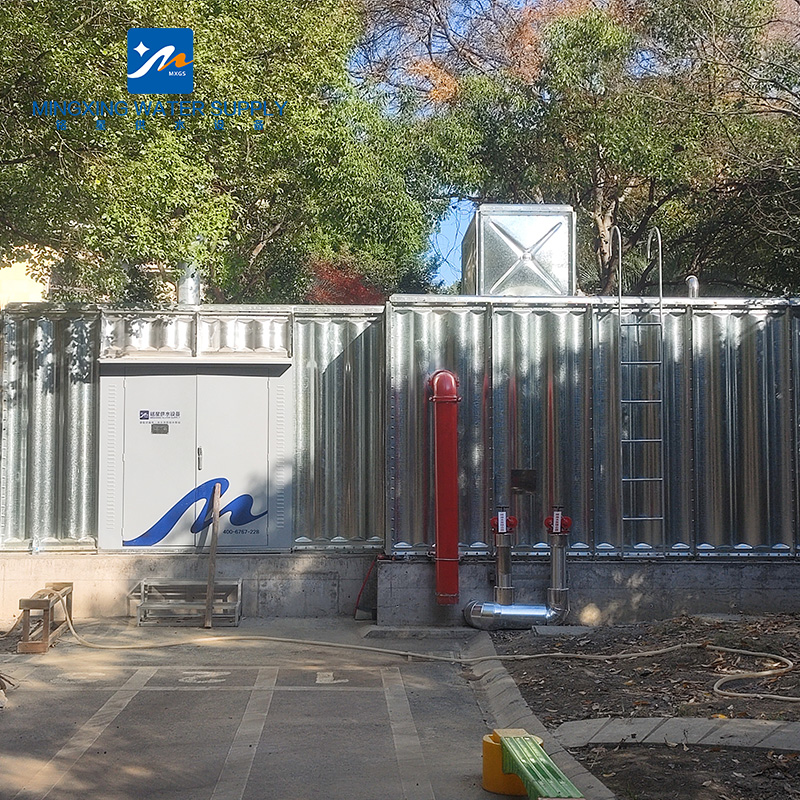
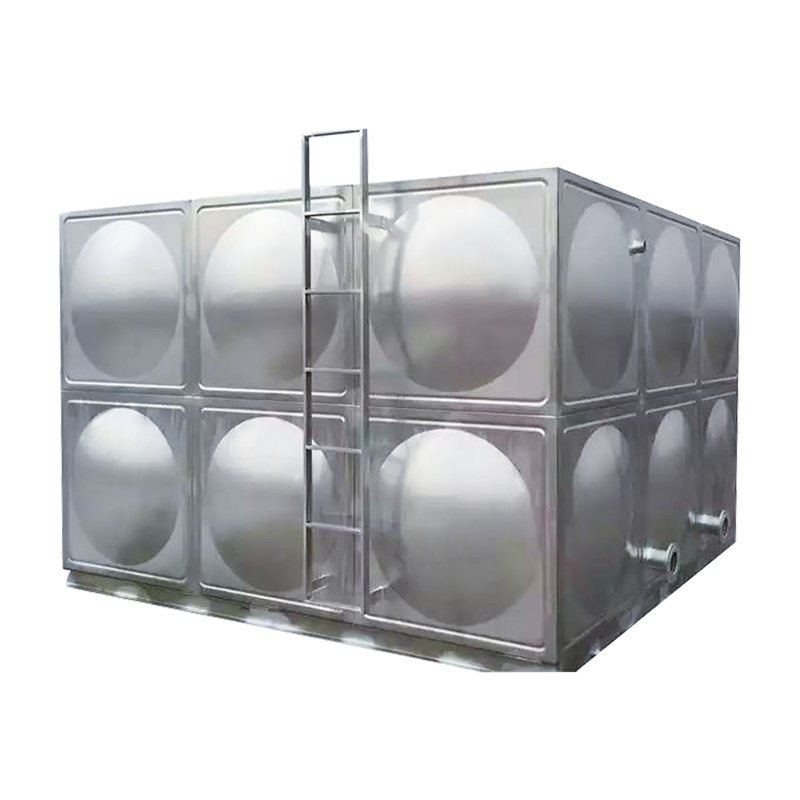
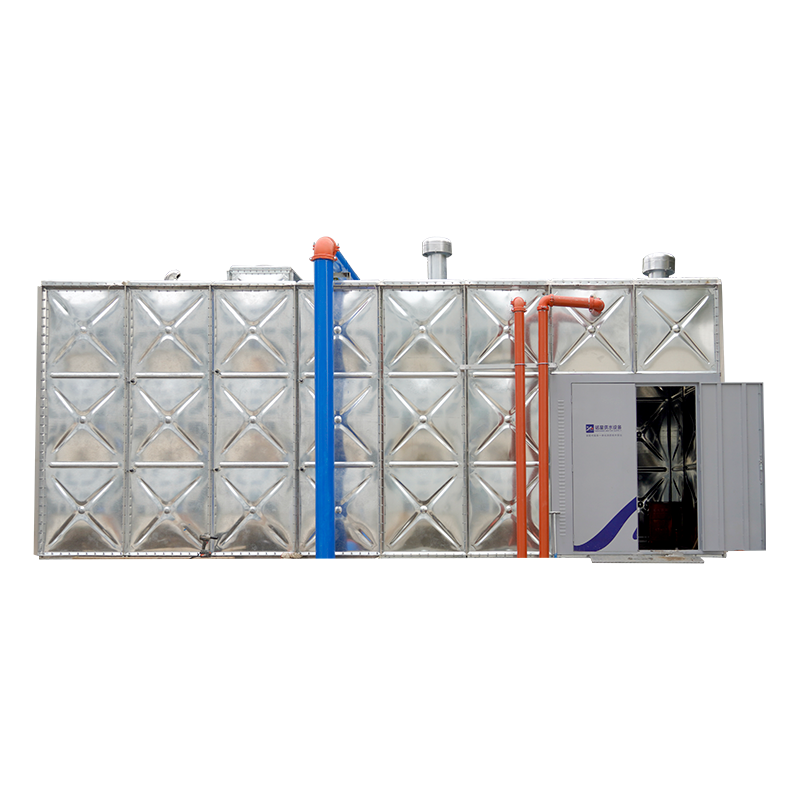
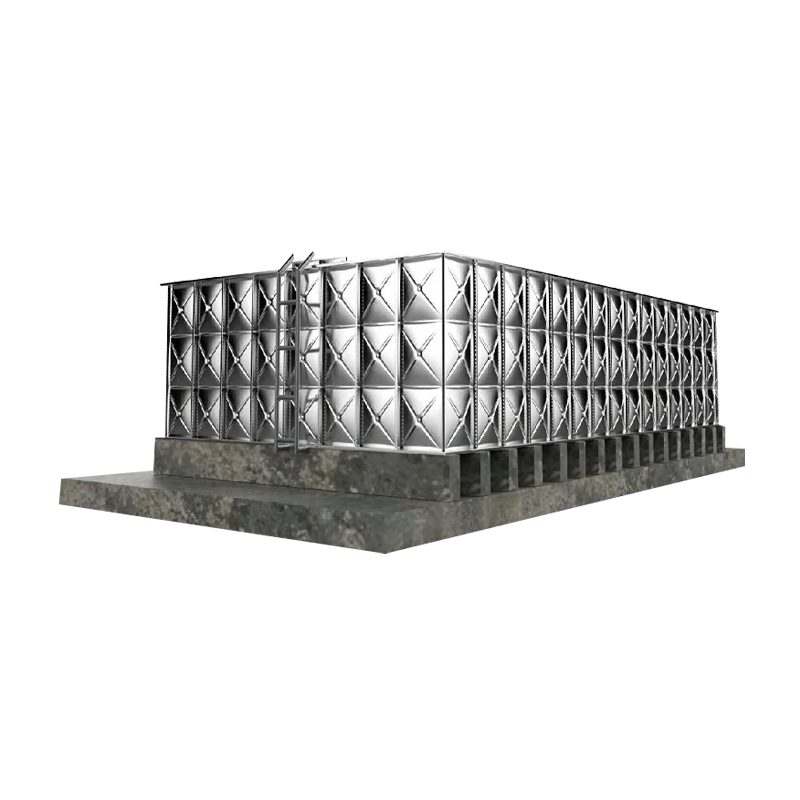
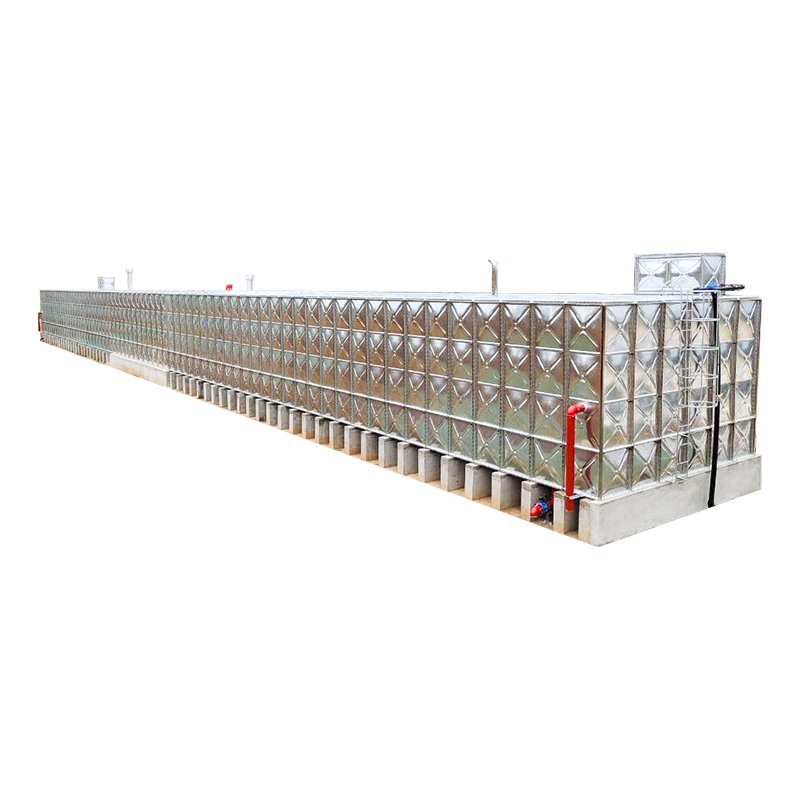
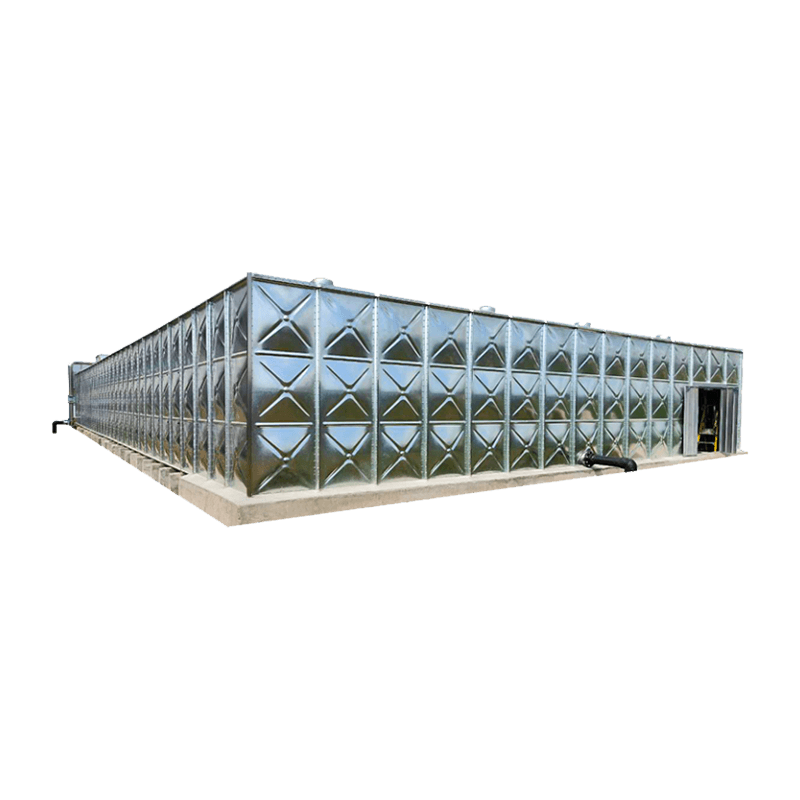
A divided or twin-compartment water tank uses a shared tank structure with an internal division. A flow baffle is not the same as a watertight division: it may direct water movement without allowing either side to be drained independently. Two separate tanks have separate tank structures, although their pipework, pumps and controls may still be shared.
| Planning point | One divided tank | Two separate tanks |
|---|---|---|
| Storage boundary | A shared structure with a watertight partition is needed for independent draining. | Separate tank structures provide separate storage boundaries. |
| Structural review | Review the partition, supports and connections with either side full and the other empty. | Review each tank and its support arrangement. Common foundations or site hazards can still affect both. |
| Pipework isolation | Check every connection between compartments and the live system. | Check isolation at each tank and any common headers or cross-connections. |
| Space and access | May suit a constrained footprint, provided both compartments have suitable access and service clearances. | May need more layout space, pipework and support provisions; assess the actual site arrangement. |
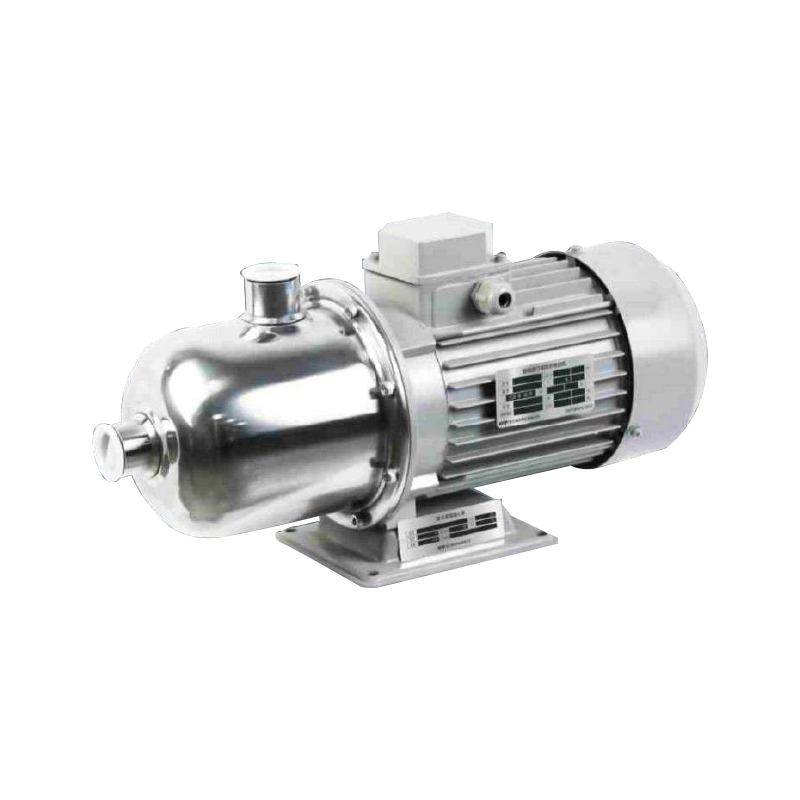
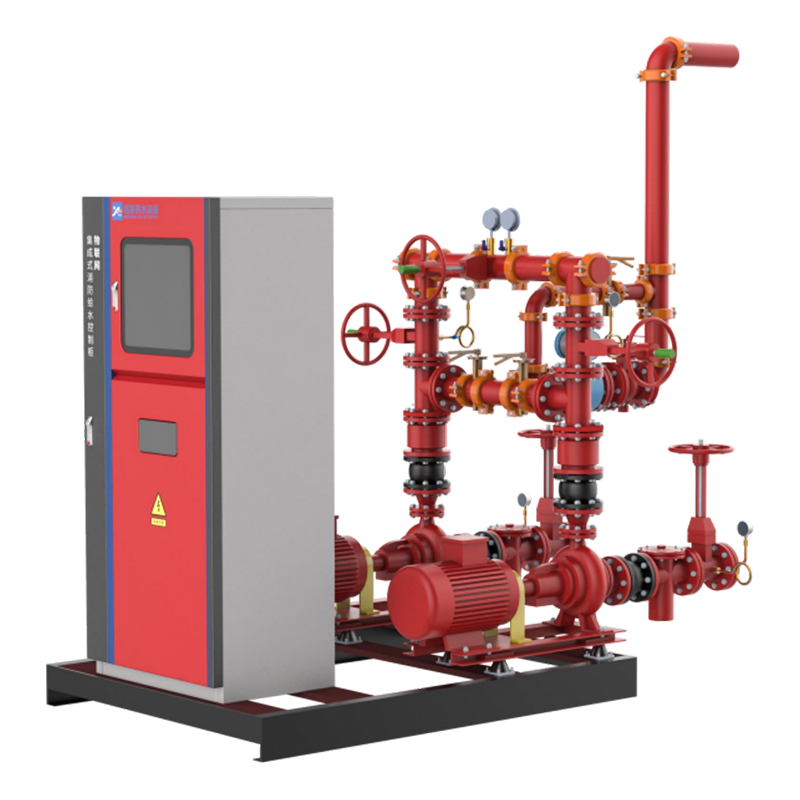
| Common equipment | Shared pumps, power, controls or headers can interrupt both compartments. | Separate tanks do not remove failures in shared pumps, power, controls or headers. |
| Water movement | Normal operation must avoid poorly circulated sections. | A tank kept only as standby needs a plan to prevent prolonged stagnation. |
Compare complete installed arrangements, including valves, access, supports and controls. Tank purchase prices alone do not show the cost or practicality of maintaining supply.
A tank split into two equal compartments does not provide its full storage volume when one compartment is drained. Similarly, a pair of tanks loses the usable storage of the tank taken out of service.
Use the remaining effective water storage capacity, rather than the external tank volume. Account for the operating water levels, unavailable bottom volume and any minimum level needed for the outlet or pump arrangement.
Then compare the demand over the maintenance period with the water initially available and the refill supply that can be relied on. Check peak periods as well as total consumption: an acceptable daily balance can still hide a short-term shortage. If the refill source may be unavailable during the same work, assess that condition too.
Capacity and delivery are separate checks. Enough stored water does not prove that the remaining outlet, pipework and pumps can deliver the required flow and pressure. Confirm both the usable volume and the operating duty with one storage section unavailable.
For each tank or compartment, identify the inlet, outlet, drain, overflow, vent, level instruments and any balance or cross-connection. Ask how the section under maintenance will be isolated without draining, contaminating or disabling the section that remains live. Do not treat a closed valve symbol as proof that the complete isolation procedure is workable.
Check drain routing, access for cleaning and the control response to an isolated level sensor. A common header may permit one tank to be isolated while supplying the other, but maintenance on the header itself may still require a shutdown. Our water tank openings guide explains the connection details to coordinate before fabrication.
When water stands at the same level on both sides of a partition, the water pressures oppose each other. Emptying one side changes that loading. Ask the tank designer to check the proposed partition, joints, supports and load path for one side full and the other empty, and for the reverse condition.
Do not add a partition to an existing tank on the assumption that a layout change is only a pipework matter. The proposed structural configuration and operating conditions need review before manufacture or modification.
The maintenance arrangement must also work during everyday operation. Leaving one tank or compartment unused for long periods can create stagnant water. Select the inlet/outlet arrangement and operating sequence to support suitable water movement in both storage sections; any alternation schedule should form part of the site's water-safety plan.
The UK Health and Safety Executive's HSG274 Part 2 guidance discusses reducing stagnation through regular water movement and avoiding redundant pipework and dead legs. This is a useful water-safety reference, while local regulations and the project's intended water use determine the applicable requirements.
Before reconnecting the cleaned section, follow the approved cleaning and return-to-service procedure, including disinfection and water-quality checks where required. Agree who authorizes reconnection and how valves and controls are restored to normal operation.
Use the following wording in a request for quotation, then have the proposed arrangement reviewed through the project's water tank submittal process:
Suggested RFQ wording:
Please assess a divided tank and/or two separate tanks for the attached layout. During maintenance of one storage section, the system must supply [full/critical demand] for [maintenance duration]. State the usable capacity that remains available, the refill assumptions, isolation arrangement, shared equipment limitations and required maintenance access. For a divided tank, identify the design checks for either compartment full with the other empty. State any operating restrictions or temporary supply provisions needed.
Explore MingXing's assembly bolted sectional water tank range, then send MingXing your project requirements. Include the site layout, required usable volume, normal and maintenance demand, available refill supply and expected operating sequence. Request confirmation of the feasible configuration and supply scope for your project.
Related Products

Contact us
Headquater Address
Room 901, Building 17, Lane 1088, Shen Hong Road, Minhang District, Shanghai
Factory Address
No. 1, Mingxing North Road, Tech Innovation Park, Jianhu County, Yancheng, Jiangsu, P. R. China
watersupplymingxing@gmail.com
watersupplymingxing@gmail.com
Telephone(Whatsapp/Wechat)
+86 15365682888
QR CODE

 English
 Français