Aug 09, 2026
A modular water storage tank is a tank assembled from prefabricated panels, bolted or welded together on-site, that offers a highly customizable, scalable, and rapidly deployable alternative to traditional welded or concrete tanks. Unlike a single-piece structure, a modular water tank ships in flat-pack sections and is erected where needed, making it especially valuable for locations with limited access or where lead time is critical. The global modular water storage tank market has grown steadily, driven by rising demand in industrial processing, municipal water infrastructure, and emergency fire protection systems. The core advantage lies in the ability to configure capacities from a few thousand liters to over 5 million liters, using standardized panels that fit through standard doorways and can be assembled with basic tools and a small crew.
Content
The term modular water tank types encompasses several distinct engineering approaches, each suited to different storage volumes, pressure requirements, and installation environments. The three dominant categories are sectional water storage tanks, bolted water storage tanks, and pressed-panel welded tanks.
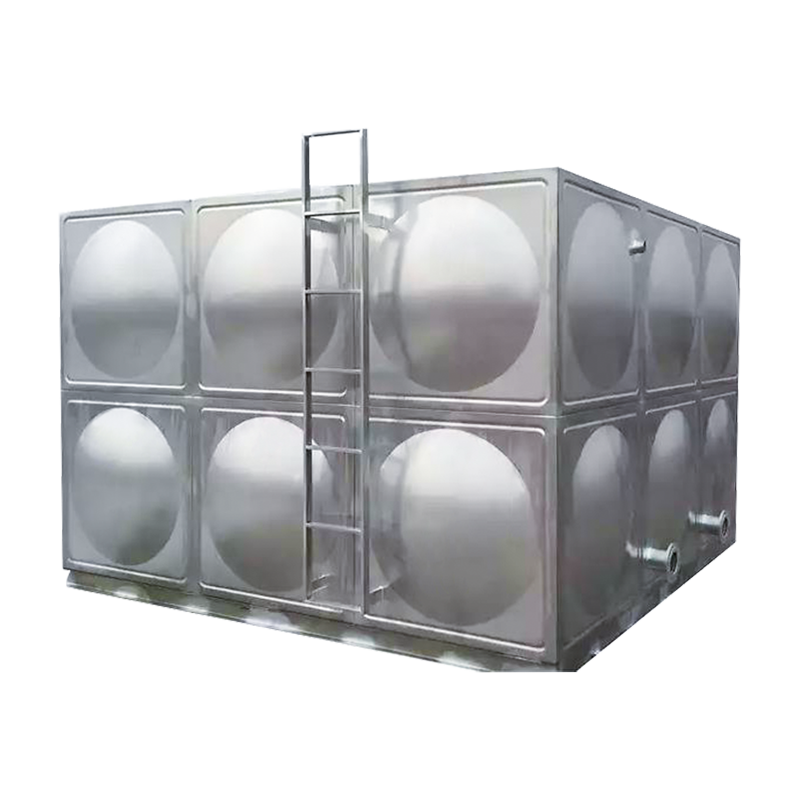
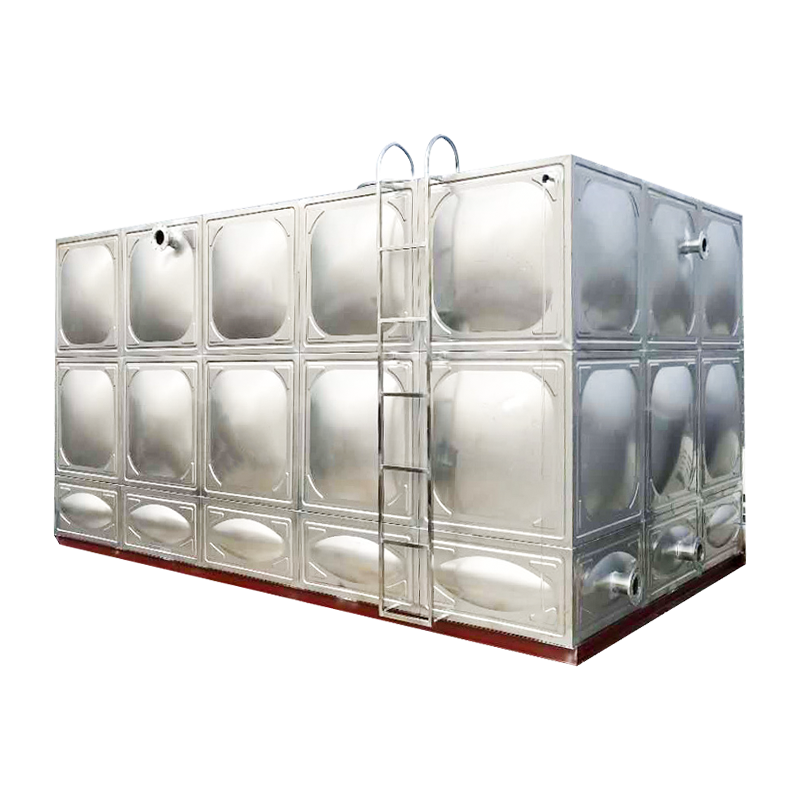
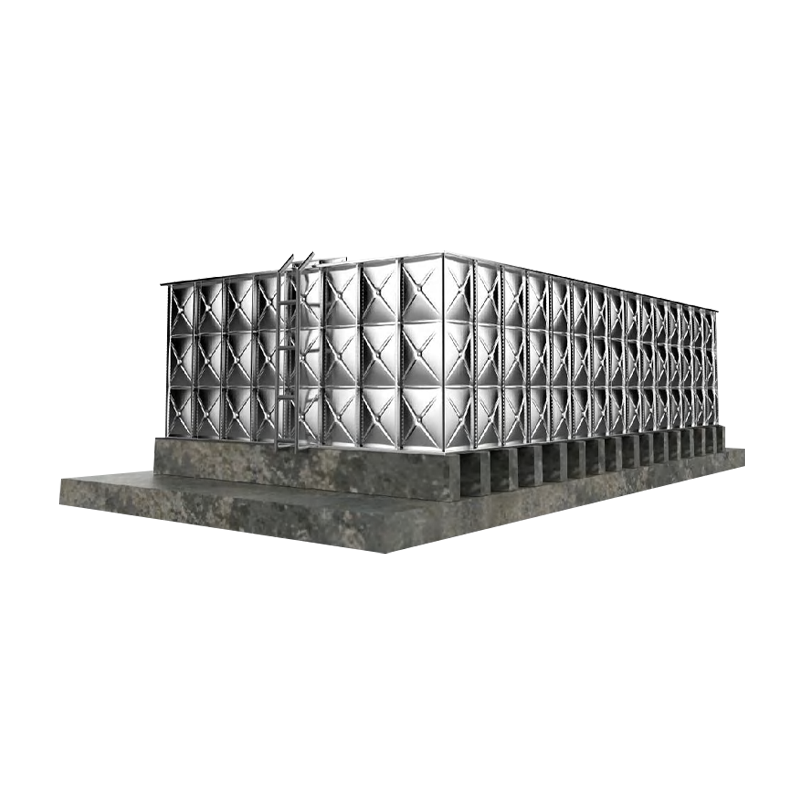
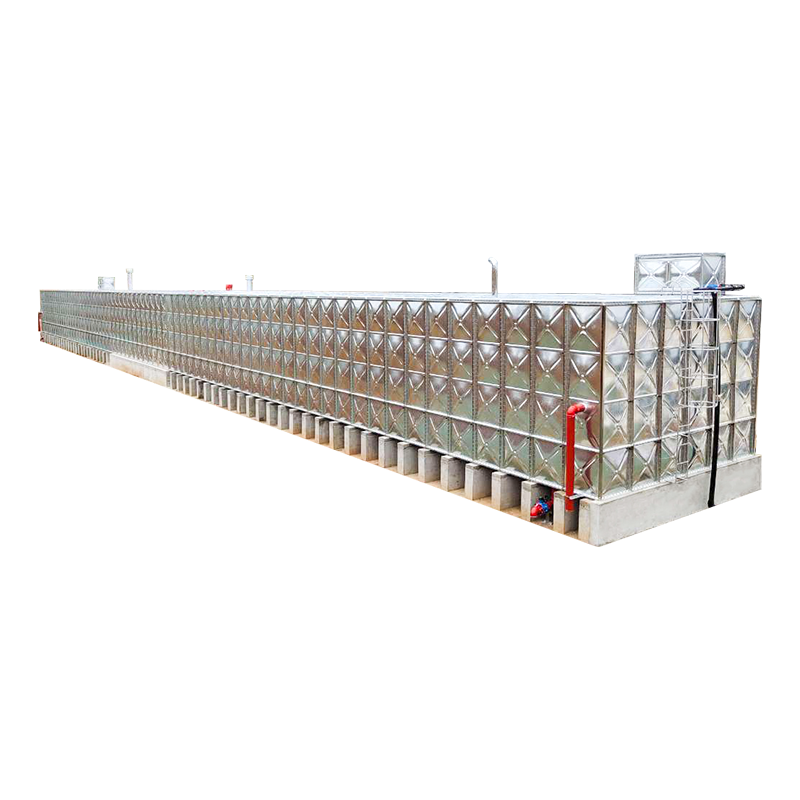
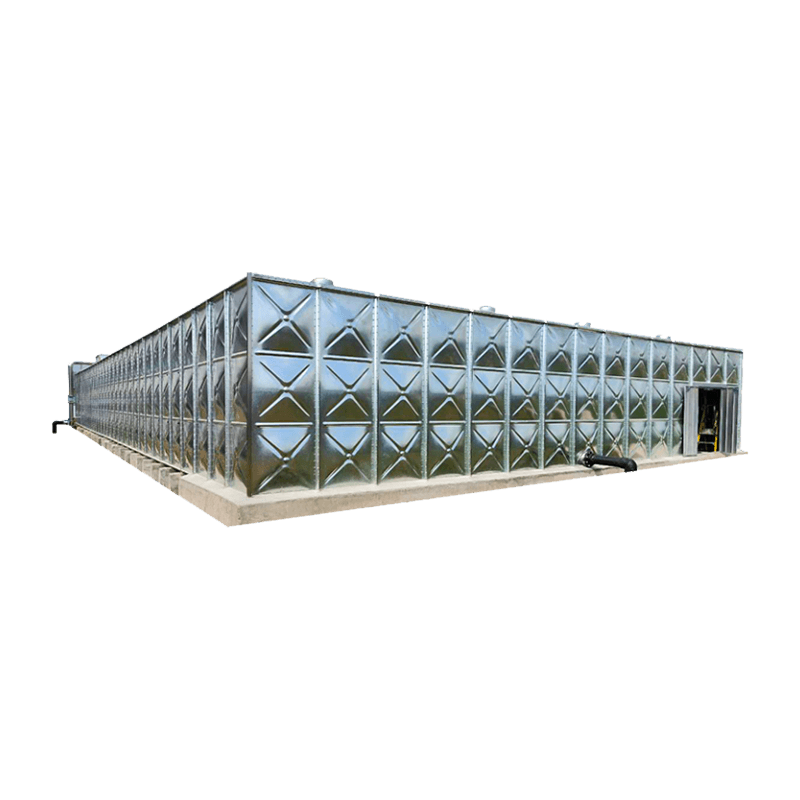
Sectional water storage tanks are assembled from square or rectangular panels—typically 1 meter by 1 meter or 1.22 meters by 1.22 meters—that bolt together through flanged edges with gaskets between panels. This design allows for almost any footprint, making it the preferred choice for modular water tank for fire protection applications where space within a building or on a roof is constrained. Sectional tanks can be configured in single or multiple compartments and are easily extended later by adding panels to one side.
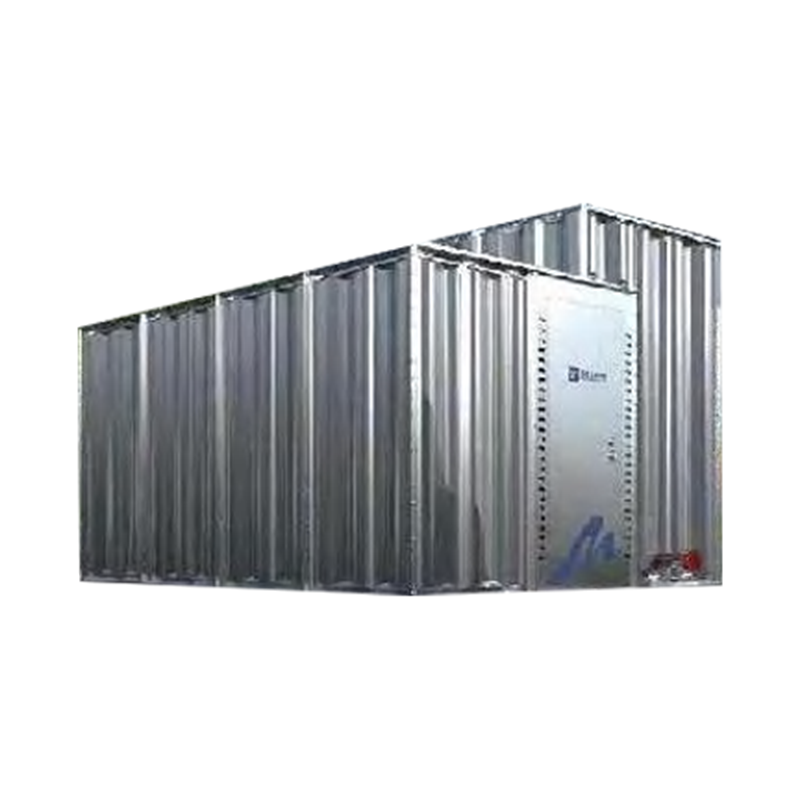
Bolted water storage tanks use corrugated or rolled-steel panels fastened with bolts and sealed with mastic or gaskets. They are typically cylindrical or rectangular and built to handle higher static pressures, which makes them common in modular water tank for industrial applications where large volumes of process water, cooling water, or wastewater must be stored. The bolted design allows for diameter and height variations that directly affect capacity, and they can be partially or fully dismantled and relocated—a feature practically impossible with a concrete tank.
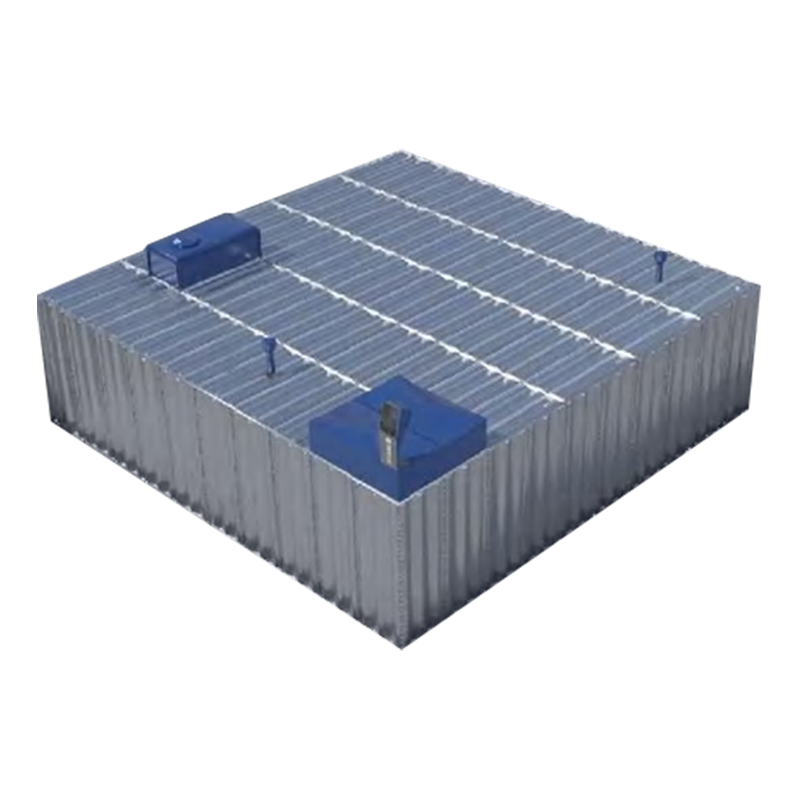
A third variant is the pressed-panel tank, where each panel is formed with a stiffening profile that adds structural rigidity without a separate support frame. Pressed panels are widely used for modular water tank for potable water storage, particularly in municipal treatment plants and remote communities, because the internal surface is smooth and free of crevices where bacteria might accumulate. All three types share the fundamental benefit of modular water storage tanks: they arrive as a kit of manageable components and require no heavy on-site welding.
The selection of modular water tank materials directly determines service life, water quality, and maintenance frequency. Three materials dominate the market: hot-dip galvanized steel, stainless steel, and glass-fused-to-steel. Each presents a distinct cost-to-performance profile depending on the stored water chemistry and the expected operational life.
| Material | Typical Service Life | Potable Water Suitability | Primary Advantage |
|---|---|---|---|
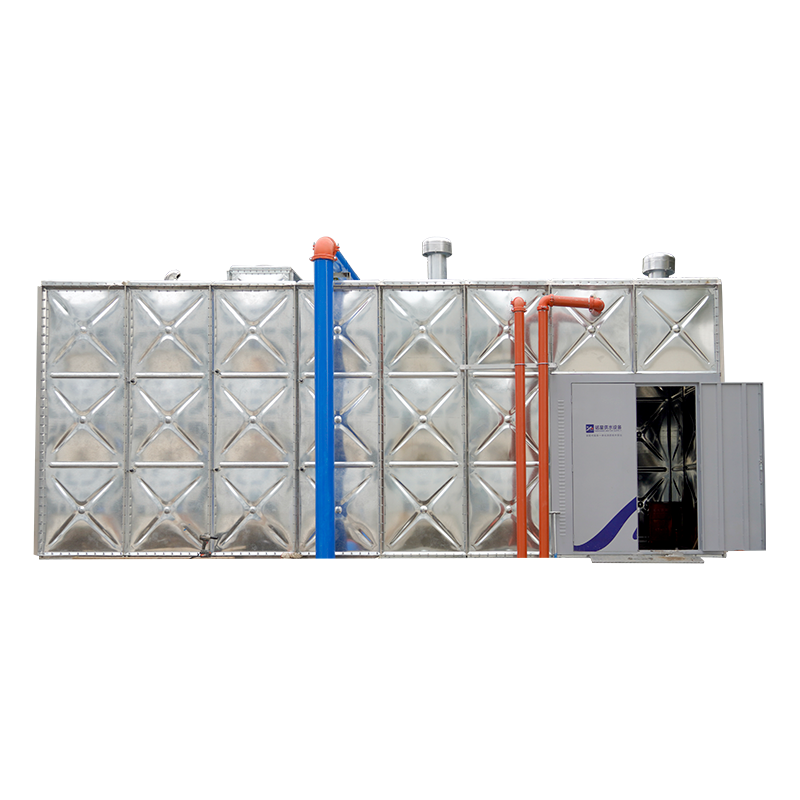
| Hot-Dip Galvanized Steel (G235 coating) | 25–40 years | Yes, with epoxy internal lining | Cost-effective for large volumes |
| Stainless Steel (304/316L) | 40–60+ years | Yes, without additional coating | Superior corrosion resistance, low maintenance |
| Glass-Fused-to-Steel | 30–50 years | Yes (WRAS/AS/NZS 4020 certified) | High resistance to aggressive chemicals and abrasion |
| GRP (Glass-Reinforced Plastic) | 20–35 years | Yes (with food-grade resin) | Lightweight, no corrosion, electrical insulation |
For a modular water tank for potable water, the internal lining and gasket materials are as important as the panel material itself. Epoxy coatings for galvanized tanks must be certified to drinking water standards such as NSF/ANSI 61 or equivalent, and silicone or EPDM gaskets should be non-toxic and resistant to chlorine. In industrial settings, where stored liquids may be acidic or caustic, glass-fused-to-steel panels with a fused silicate coating provide resistance across a pH range of 2 to 13, significantly outperforming standard galvanized steel. Stainless steel—particularly grade 316L with its molybdenum content—is the preferred choice for high-purity water applications in pharmaceutical and food processing plants, where any trace of corrosion products is unacceptable.
The versatility of modular water storage tank applications stems from the ability to tailor capacity, roof type, insulation, and internal coating to a specific task. Three application categories account for the majority of installations worldwide.
A modular water tank for industrial applications typically serves as a process water buffer, cooling tower reservoir, or wastewater equalization tank. These tanks often operate continuously and may require integration with pumps, level sensors, and SCADA control systems. Because factory expansions can change water demands rapidly, the ability to add or subtract panels to resize the tank without replacing the entire asset provides significant capital expenditure protection. In the mining sector, for example, modular tanks with a volume of 2,000–10,000 cubic meters are frequently deployed at remote sites as decant water storage, arriving as containerised kits that are erected within 2–3 weeks by local crews.
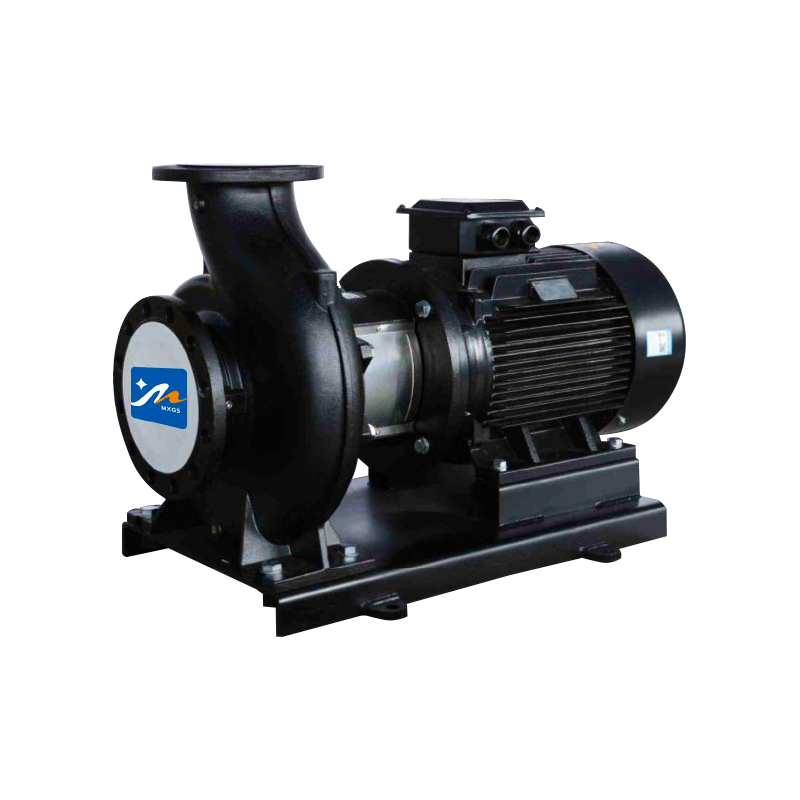
A modular water tank for fire protection must comply with standards such as NFPA 22 in North America or equivalent local fire codes. These tanks are sized to supply a dedicated volume of water—often 150,000 to 1,000,000 liters—for a specified fire flow duration, independent of the municipal water supply. Sectional panel tanks are particularly well-suited here because they can be erected inside existing buildings, on rooftops, or in basements. Fire protection tanks are frequently fitted with anti-vortex fittings, suction flanges for fire pumps, and automatic fill valves. The modular approach ensures that even buildings under renovation can have compliant fire water storage installed without major structural disruption.
For modular water tank for potable water storage, the regulatory bar is highest. The tank must prevent biological growth, resist the oxidative effects of chlorine or chloramine disinfection, and introduce no taste, odor, or toxic compounds into the water supply. Stainless steel and glass-fused-to-steel with WRAS or NSF 61 certification are the materials of choice. Many municipal water authorities now specify modular tanks for clear water storage at treatment plants, where the tank's flat-pack transport allows installation in dense urban sites that cannot accommodate large prefabricated vessels. Once assembled, the tanks are often fitted with double-skin insulated roofs to maintain water temperature and prevent algae growth, along with screened vents and access hatches that prevent insect or animal ingress.
The advantages of modular water storage tanks become clearest when compared directly with welded steel tanks, concrete tanks, and single-piece polyethylene vessels. These benefits span installation logistics, lifecycle cost, and reconfiguration flexibility.
The cumulative effect of these advantages positions modular water storage tanks as the preferred solution for any project that prioritizes speed, adaptability, and long-term value over the lowest possible upfront material cost. Whether the requirement is a 20,000-liter potable water buffer for a remote community or a 3-million-liter fire reserve for an industrial facility, the modular approach delivers a fit-for-purpose tank without the constraints of traditional construction methods.
Related Products

Contact us
Headquater Address
Room 901, Building 17, Lane 1088, Shen Hong Road, Minhang District, Shanghai
Factory Address
No. 1, Mingxing North Road, Tech Innovation Park, Jianhu County, Yancheng, Jiangsu, P. R. China
Amy@mxwatersupply.com
Amy@mxwatersupply.com
Telephone(Whatsapp/Wechat)
+86-18051685983
QR CODE

 English
 Français